
An ultramarathon is anything longer than a marathon, and the most popular first one is the 50K (31 miles). Give yourself 2–3 months after your first marathon for a 50K, or 4–6 months for a 50-miler. Train by time, not miles: at least 6 hours a week for your peak 3 weeks, starting 6 weeks out. On race day, hike the hills and keep your aid station stops to 5–10 minutes.
To be honest, getting to your first ultramarathon isn't as far off as it sounds. An ultramarathon is anything longer than a marathon, but the most popular first ultramarathon is 31 miles.
If you can run a marathon, you could quite literally run a marathon and then walk 5 miles to get a total of 31 miles and complete your first 50K.
However, if you want to actually run the race strong and do a strong 50K or 50-miler, I recommend making some key changes in your training. This is the roadmap I wish I'd had.
My first ultra: 52 miles around USC
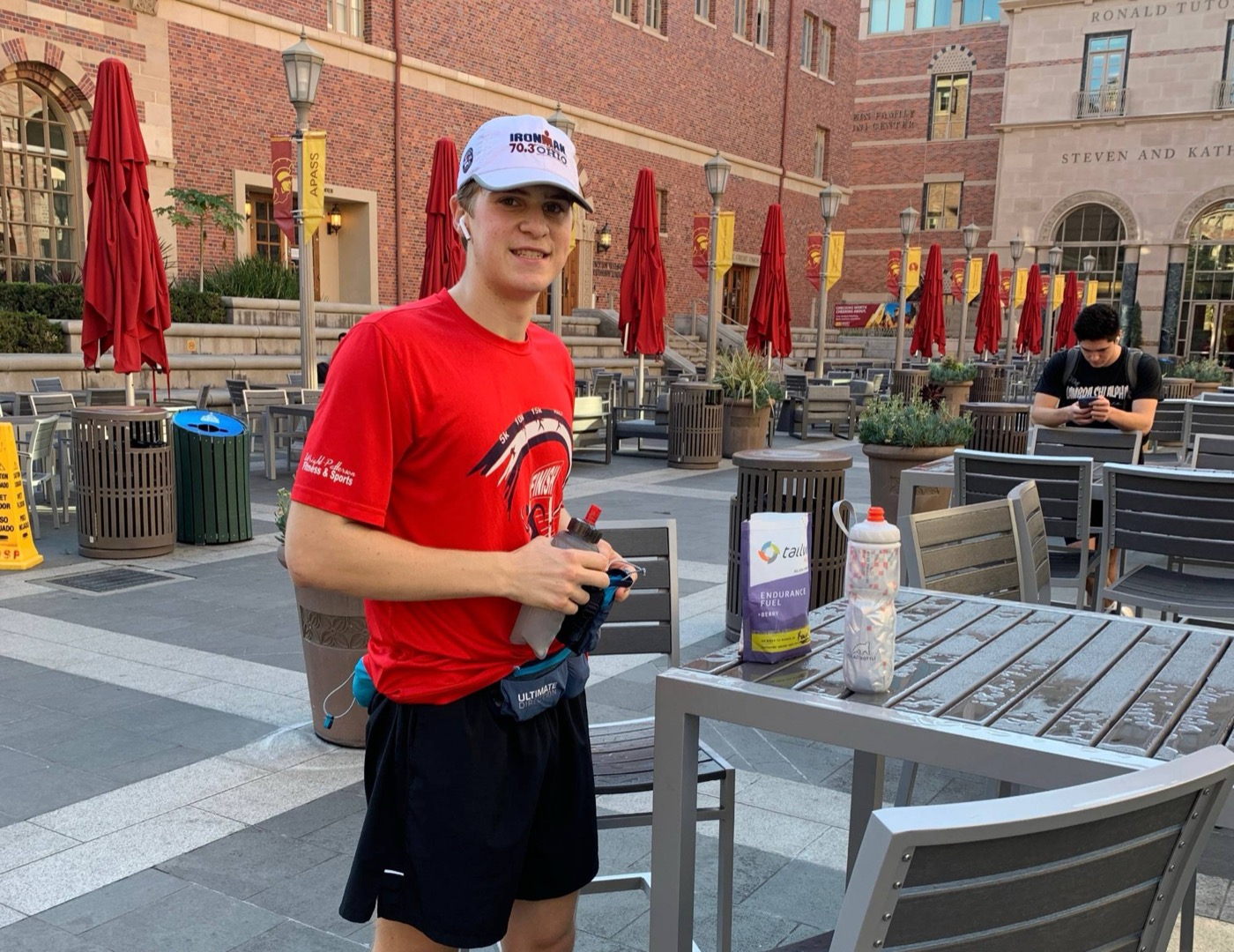
My first ultramarathon was 52 miles around campus at USC in December 2019. I charted a 1.08-mile loop and ran it every 15 minutes for 12 hours, so it totaled 52 miles.
I did it to raise money for mental health. I saw so many people stressing over exams. You should definitely do your best job, but it's not worth letting it negatively impact you.
I had no clue what I was doing, but I'm so glad that I just went for it despite not having everything in place.
How ultramarathons are different from marathons
There are a couple of important things you should know that are different between marathons and ultramarathons.
The culture is different. Marathon runners are very concerned with mile times, PRs, etc. Ultramarathon running is a little bit more laid-back and friendly.

The courses are different. Most marathon courses are relatively similar, except for elevation gain. With ultramarathons, you deal with more factors:
- The exact distance. Ultra distances aren't always exact, so check what your race actually measures.
- The temperature on race day.
- How good the aid stations are.
- Elevation gain.
1. Give yourself enough time
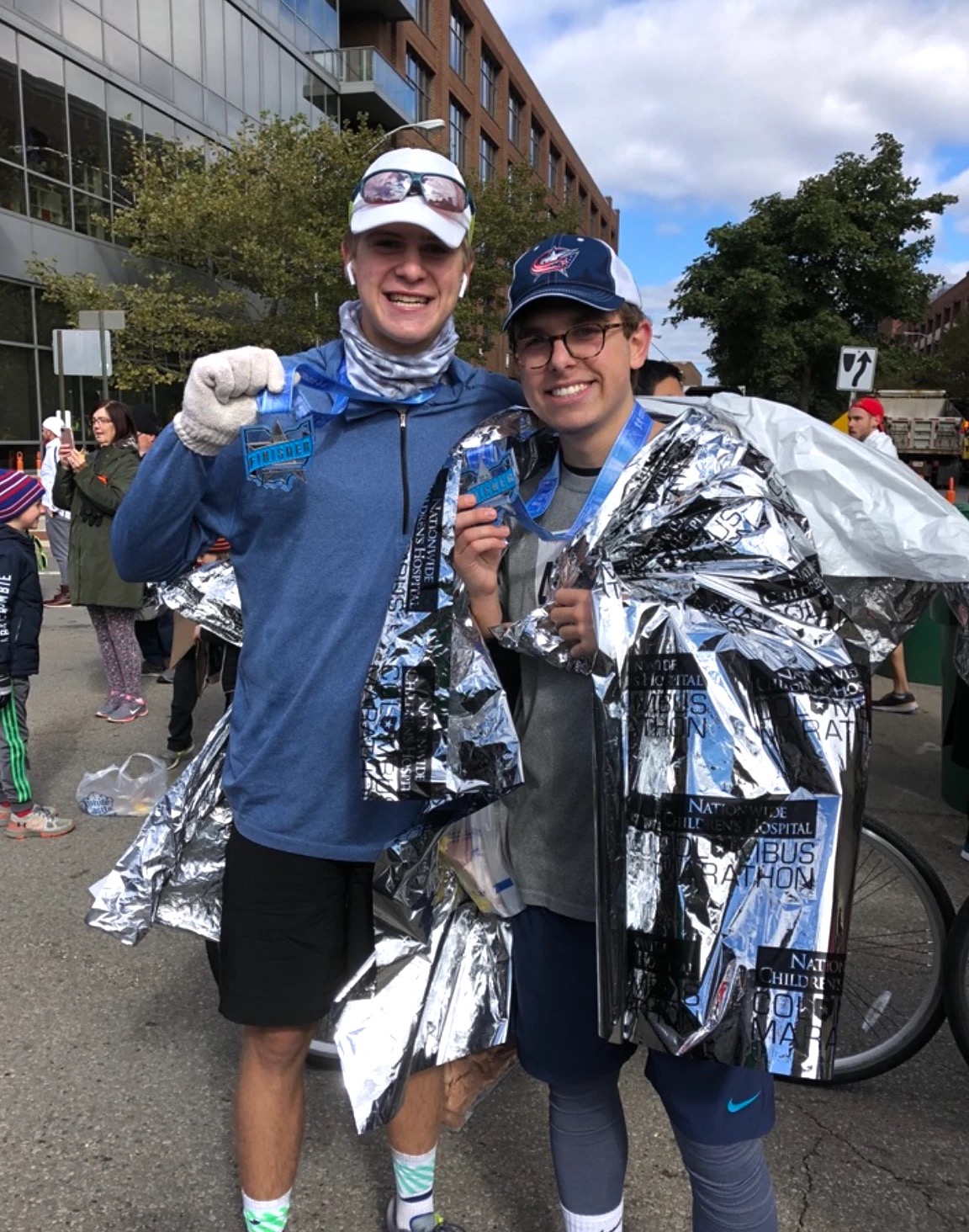
- First 50K: 2–3 months after your first marathon
- First 50-miler: 4–6 months after your first marathon
Honestly, someone could run their first 50K 2 to 3 months after their first marathon. But I would recommend 4 to 6 months from your first marathon to a 50-miler, just so you have the time to recover from your first marathon and then get back into training.
Haven't run a marathon yet? Start there.
2. Pick your race
Use the course factors above (distance, temperature, aid stations and elevation) to pick a race you can run strong. These lists will help:
- The 8 easiest ultramarathons for your first 50K
- The best first ultramarathon for every month of 2027
- The easiest 50-mile races
- How to find ultramarathons near you
3. Train by time, not miles
I recommend training by time instead of miles. A standard rule of thumb, from the UESCA Ultrarunning Coach Certification I went through, is: in your peak 3 weeks of training, run 6 hours per week, starting 6 weeks out from the race. That works for both a 50K and a 50-miler.
That's a recommendation for how much you should peak at, but keep in mind, it is the bare minimum.
Your longest run. It really depends on the athlete. There's no one clear answer, but I would say:
- 50K: 20 to 25 miles
- 50-miler: 26 to 31 miles
Back-to-back long runs. You can do back-to-back long runs for a 50-miler, but they're not necessary.
4. Practice your fueling
Use your long runs to practice eating and drinking exactly how you will on race day. My starting point is 200–300 calories and 16–32 oz of fluid per hour, with 600–800 mg of sodium per liter of fluid.
Go deeper: what to eat during a long run and how much water runners should drink.
5. Get your gear
Here's the gear I actually use and would buy again:
- The 6 best trail running purchases I've made
- 10 running purchases I'd buy again
- How to prevent blisters in an ultramarathon
6. Race day: hills, aid stations and drop bags
Hike the hills. I recommend just hiking the hills. You don't need to run them.
Keep your aid station stops short. Make sure to keep your aid station stops between 5 and 10 minutes or less. Plan out what you're going to do so you don't waste time.
Pack your drop bags. Make sure you put these in your drop bags:
- Extra lube
- Butt wipes
- Fuel
- Electrolytes
7. What's next?
Once you've finished your first ultra, the next step is the 100. Here's my complete guide to running your first 100-mile race.
At a glance
| First 50K | First 50-miler | |
|---|---|---|
| Distance | 31 miles | 50 miles |
| Time after your first marathon | 2–3 months | 4–6 months |
| Peak training | 6+ hours/week for 3 weeks, starting 6 weeks out | 6+ hours/week for 3 weeks, starting 6 weeks out |
| Longest run | 20–25 miles | 26–31 miles |
| Back-to-back long runs | Not needed | Optional |
| Hills | Hike them | Hike them |
| Aid station stops | 5–10 minutes or less | 5–10 minutes or less |
I coach people to their first marathon and their first 100. I'll build the plan around your life and be in your corner all the way to the finish line.
Apply for coachingCommon questions
What counts as an ultramarathon?
An ultramarathon is anything longer than a marathon (26.2 miles). The most popular first ultramarathon is the 50K, which is 31 miles.
How long after a marathon can I run a 50K?
Someone could run their first 50K 2 to 3 months after their first marathon. For a 50-miler, give yourself 4 to 6 months, so you have time to recover from your marathon and get back into training.
How many hours a week should I train for my first ultramarathon?
Train by time instead of miles. For a 50K or a 50-miler, a standard rule of thumb is 6 hours of running per week for your peak 3 weeks, starting 6 weeks out from the race. That's the bare minimum.
How long should my longest run be before an ultramarathon?
It depends on the athlete, but a good range for your longest run is 20 to 25 miles for a 50K and 26 to 31 miles for a 50-miler.
Should I walk the hills in an ultramarathon?
Yes. Just hike the hills. You don't need to run them.
What should I put in my ultramarathon drop bag?
Put extra lube, butt wipes, fuel and electrolytes in your drop bags.