My 10 best running purchases, counting down: LEKI carbon poles, Injinji toe socks, the Petzl NAO RL headlamp, the Salomon ADV Skin 12 vest, Salty Britches, sweat testing, a Garmin GPS watch, Hoka Speedgoats, Can't Hurt Me by David Goggins, and the #1 best purchase I've ever made: a coach.
Prices are approximate and change often. Some links are affiliate links. I only recommend gear I actually use.
I've run seven 100-milers and three 200-milers, and I've spent plenty of money on running gear along the way. Some of it was a waste. These ten were worth every penny, and I'd buy every one of them again.
10. LEKI carbon trekking poles
- Price: about $250
- Best for: trail races with real climbing
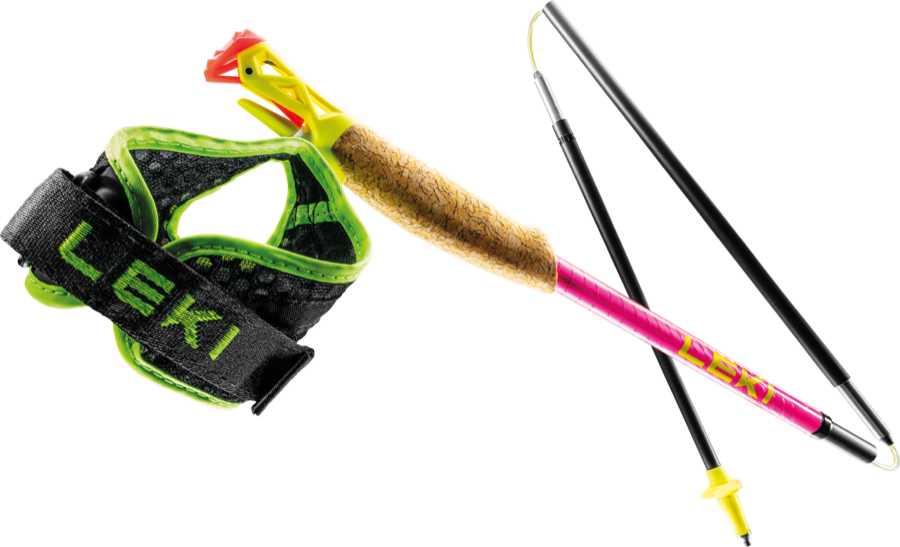
These are essential for trail races. I could not have gotten through my 200-milers without them. They're carbon, so they're super light, and they have LEKI's strap system: you wear a glove-like strap around your wrist that clips right into the pole, so you don't have to grip the poles the whole time. Over 200 miles, that saves your hands and arms.
See the LEKI Ultratrail FX.One Superlite →
9. Injinji toe socks
- Price: about $15–18 a pair
- Best for: any ultramarathon
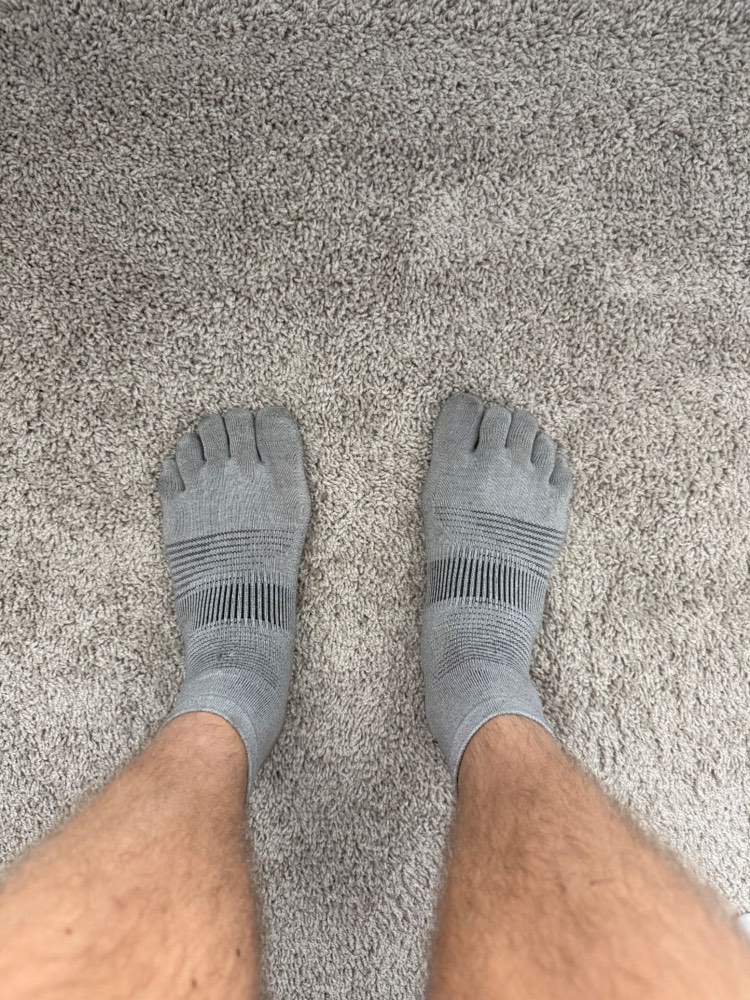
Toe socks look weird, but they prevent blisters, and that's huge when you're running any ultramarathon. A blister at mile 20 can ruin the next 80.
8. Petzl NAO RL headlamp
- Price: about $200
- Best for: anything that runs through the night
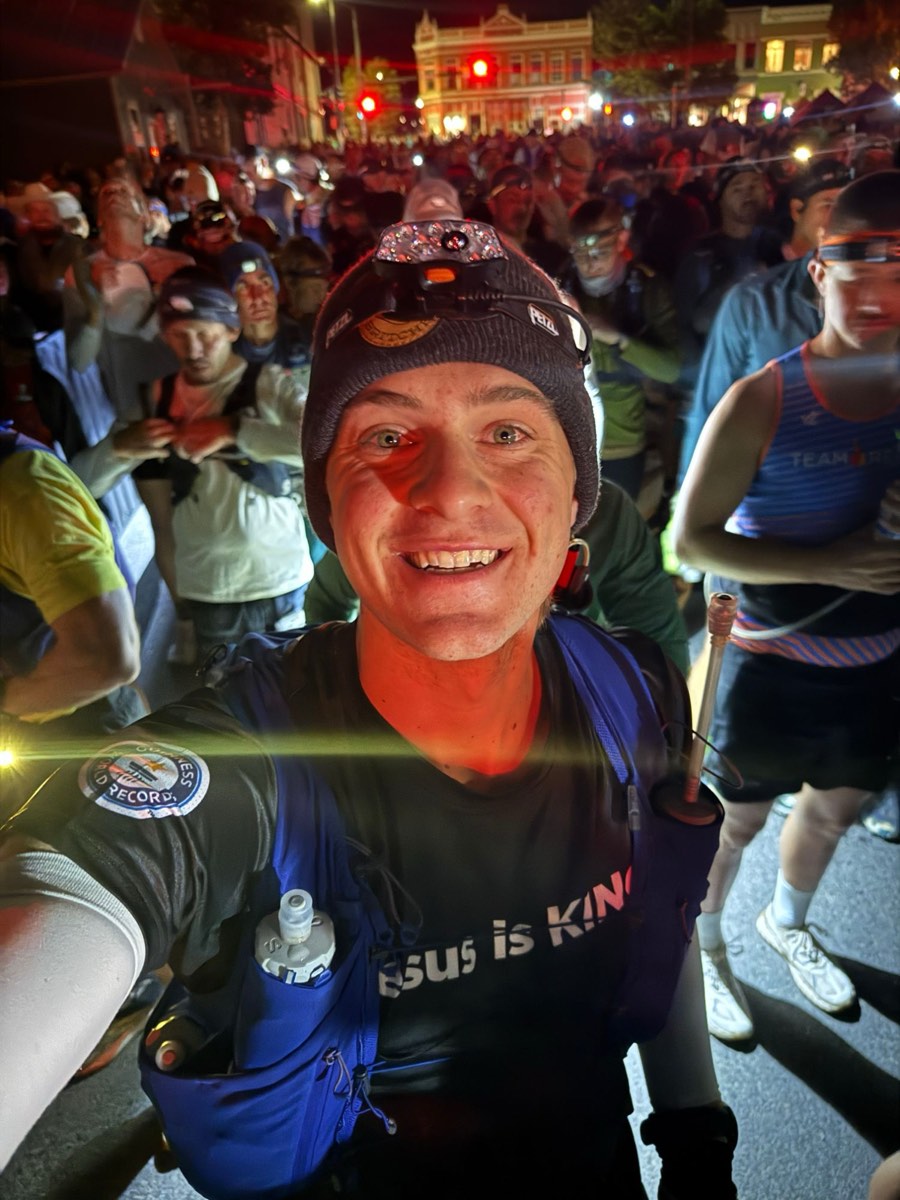
I've had so many headlamps die on me, especially during the Tahoe 200 and Bigfoot 200, that I needed one that would last and was super bright. The Petzl NAO RL is the best I've found.
7. Salomon ADV Skin 12 vest
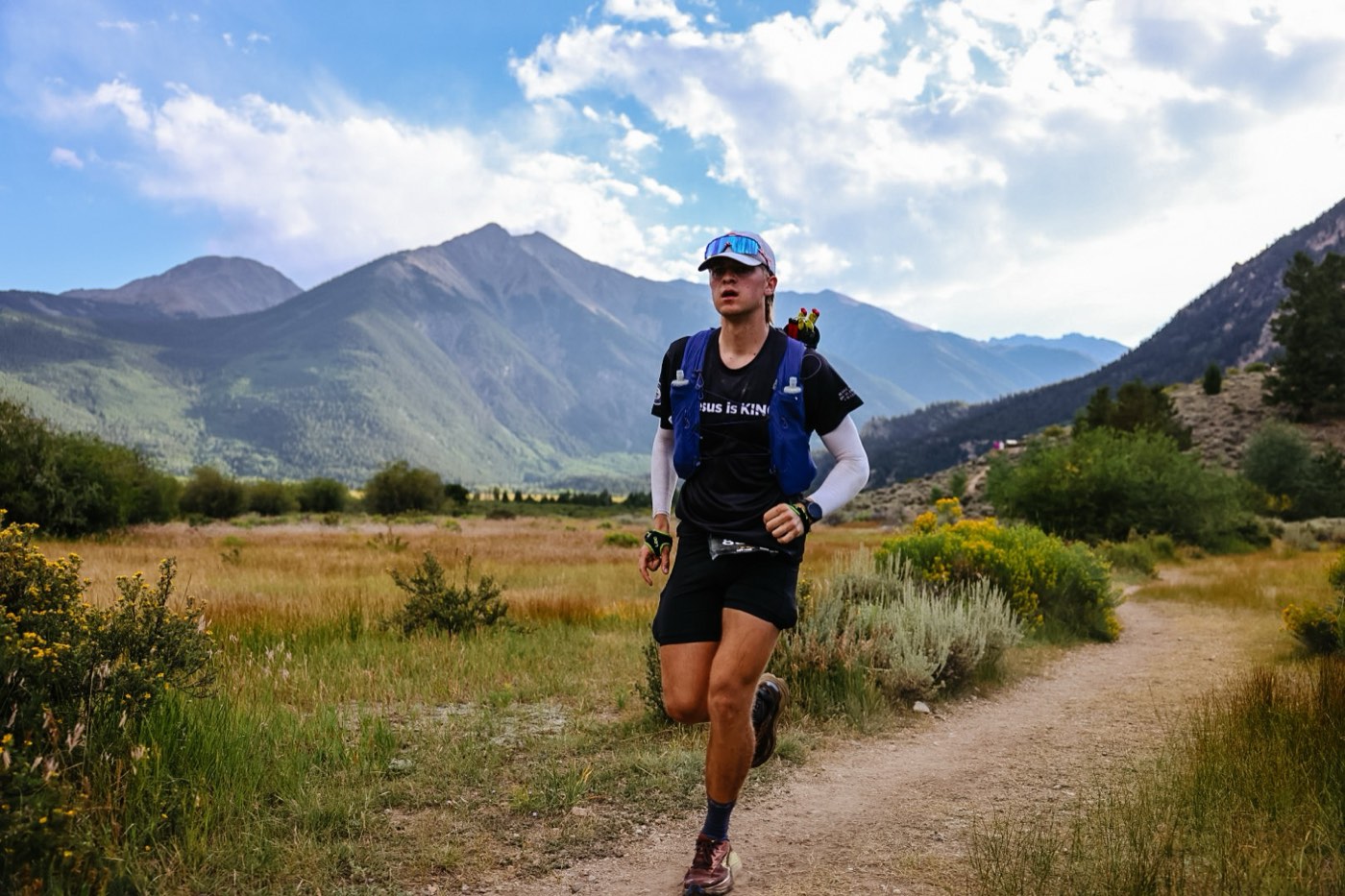
- Price: about $165 (flasks included)
- Best for: any ultramarathon
For pretty much any ultramarathon, you need a vest. The gaps between aid stations can be 7 to 12+ miles, so you have to carry your own water, fuel and layers. The Salomon is really good: great carrying capacity, and the bottles don't bounce.
6. Salty Britches
- Price: about $15
- Best for: every long run and race
Probably the best and cheapest product you can buy. It doesn't cost much, but you absolutely need it, because chafing can take you out of a race. I put it on my armpits, feet and butt before every long effort.
Get Salty Britches (code RUNYOURRACE) →
5. Sweat testing
- Price: about $200 for a lab test
- Best for: dialing in hydration and sodium
You can get an idea of your sweat rate without paying for a test: weigh yourself before and after a one-hour run, and add back whatever you drank. Every pound you lose is about 16 ounces of sweat.
But it makes a big difference when you can actually do a real sweat test, which measures how much sodium you lose. I highly recommend it. It takes the guesswork out of your hydration and electrolytes.
See Precision Hydration sweat tests →
4. Garmin GPS watch
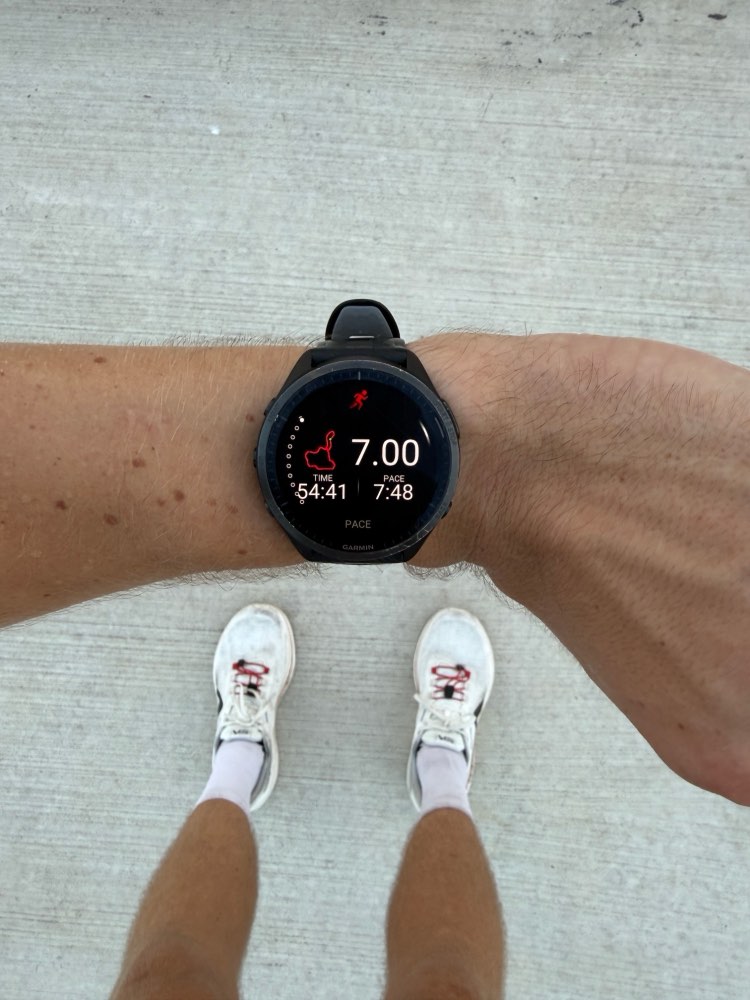
- Price: about $450–1,000, depending on the model
- Best for: races longer than a day
At my first 100, I used an Apple Watch, and it died mid-race. Now I use a Garmin, and it lasts me the entire race. I've used both Garmin and Coros, and both are great. I just prefer Garmin.
3. Hoka Speedgoat
- Price: about $155
- Best for: trail running
The Speedgoat has been my trail shoe since day one. Speedlands are great too, but I've always rocked the Speedgoats.
2. Can't Hurt Me by David Goggins
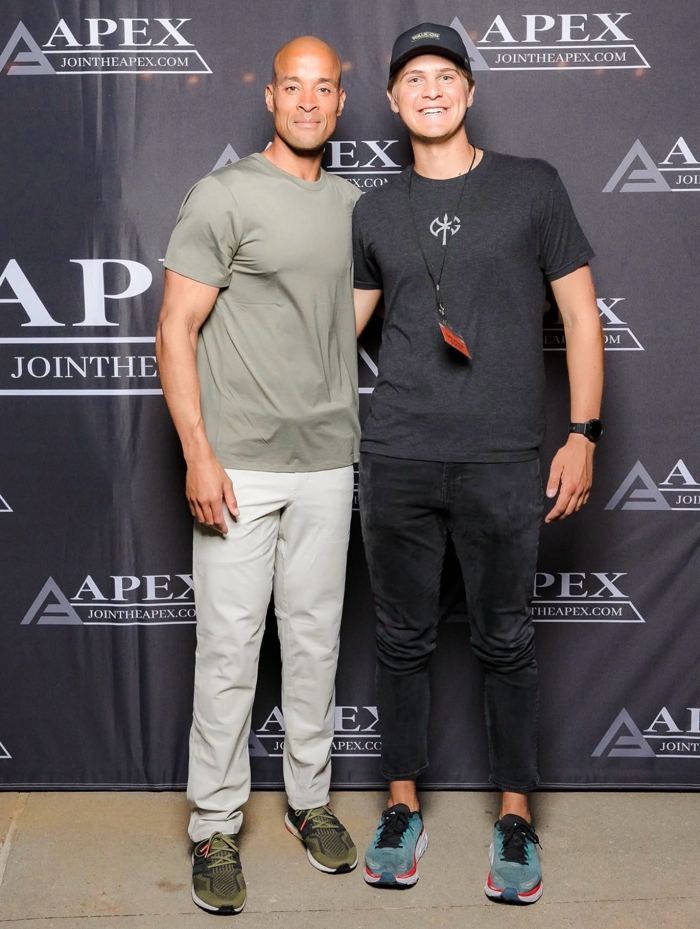
- Price: about $20
- Best for: anyone wondering what they're capable of
Can't Hurt Me really opened my eyes to what was possible. If it weren't for that book, I don't know if I would have gotten into running 100-mile races. It's also why Badwater 135 is the race I've wanted to do most.
1. A coach
- Price: varies
- Best for: anyone with a goal
The fastest way to get where you want to go is to pay someone who's been there to give you a step-by-step process to get there. That's why a coach is the best purchase I've ever made.
I didn't have a coach for my first 100. Once I got one, everything changed. Having a great coach, and later a triathlon coach, is how I was able to run two more 100s, a 2:51 marathon and more. I can't recommend getting a coach enough.
That's what I do. I coach busy professionals to their first 100-mile buckle: a plan built around your calendar, your fueling and gear dialed in, and someone in your corner all the way to the finish line. Reach out here.
See if you qualifyCommon questions
What's the best running purchase you can make?
A coach. The fastest way to get where you want to go is to pay someone who's been there to give you a step-by-step process.
Do you need a hydration vest for an ultra?
Pretty much. Aid stations can be 7 to 12+ miles apart, so you need to carry water, fuel and layers.
Is a sweat test worth it?
You can estimate your sweat rate for free by weighing yourself before and after a run, but a real sweat test that measures your sodium loss makes a big difference. I highly recommend it.
Are trekking poles worth it?
For trail races with real climbing, yes. I couldn't have gotten through my 200-milers without them.
Want the full list of everything to pack? Here's my 100-mile race gear checklist.