The best trail running gear I've bought, counting down: 6. Salty Britches for chafing and blisters, 5. LEKI trekking poles, 4. the Salomon ADV Skin 12 vest, 3. a COROS Vertix 2 watch, 2. Hoka Speedgoats and 1. a coach. Links to buy each one are below.
Training is the most important thing. No piece of gear will get you to the finish line if you haven't put in the work. But when you train right, it's also important to have the right gear for you.
I've finished seven 100-milers and three 200-milers, and these are the six purchases that made the biggest difference for me on the trails.
6. Salty Britches
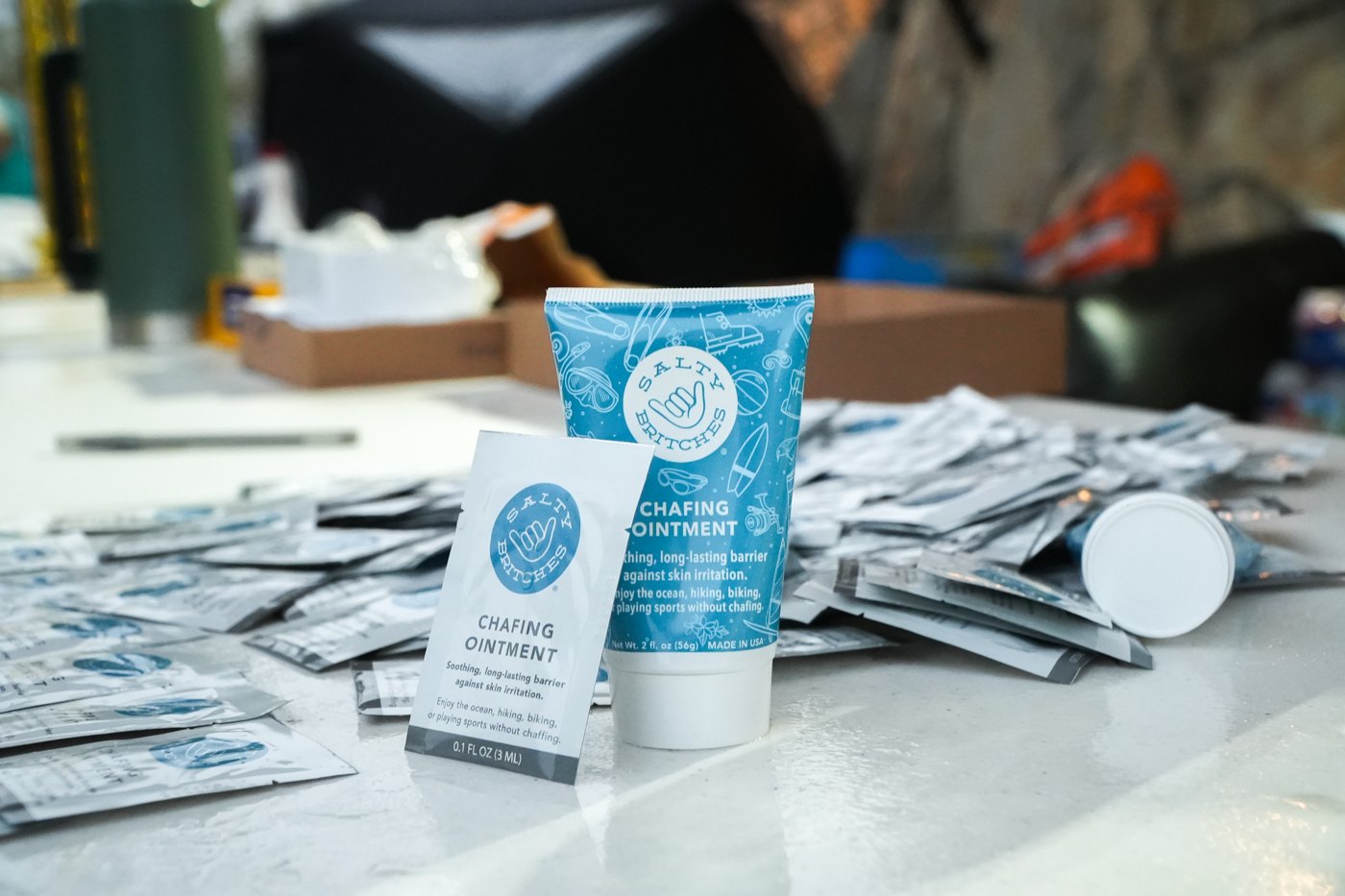
- What it's for: Preventing chafing and blisters
- Where to use it: Armpits, crotch, butt and feet
- When I started: 29029, 2021
I first discovered this at 29029. Before the event, they had different speakers give advice, and one of them was Chadd Wright, a former Navy SEAL. He said he put Salty Britches on his feet to help him not get blisters. Right from there, I was like, "I need to try this stuff."
I tried it, and it's super, super helpful. Put it on your armpits, your crotch area, your butt and your feet to prevent chafing and blisters.
Get Salty Britches (code RUNYOURRACE) →
5. LEKI trekking poles
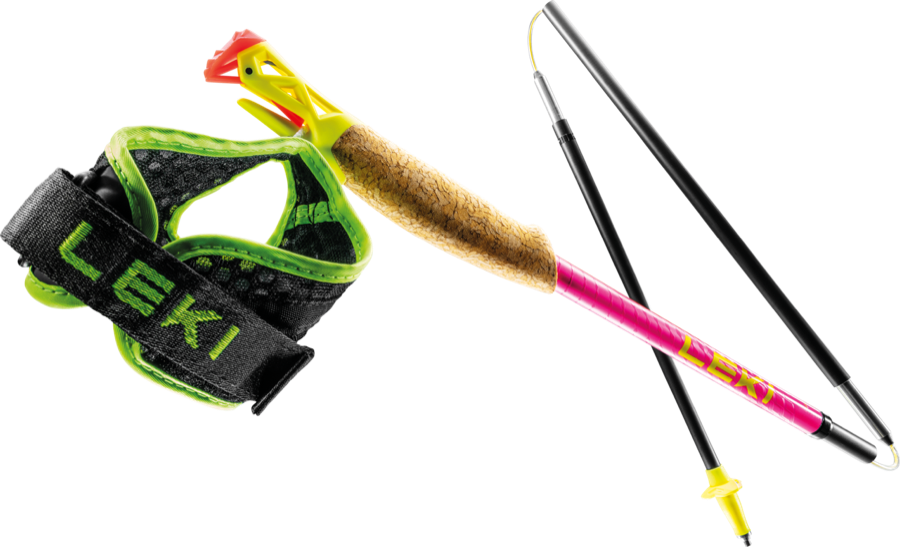
- What they're for: Using your arms to push yourself up climbs
- When I started: Getting ready for my 200-mile races
These are an absolute game changer. I first discovered them when I was getting ready for my 200-mile races, and my coach at the time, Mike McKnight, taught me how to use them. The difference is just insane.
I love these because they're very light, and trekking poles help you move faster because you can use your arm strength to push yourself up the mountain.
Two more things I love: they fold up into a little quiver, so when you're running you don't have to hold them, and they come with wrist loops that connect to the pole. It makes a huge, huge difference.
See the LEKI Ultratrail FX.One Superlite →
Looking for a coach? Apply here →
4. Salomon ADV Skin 12 vest
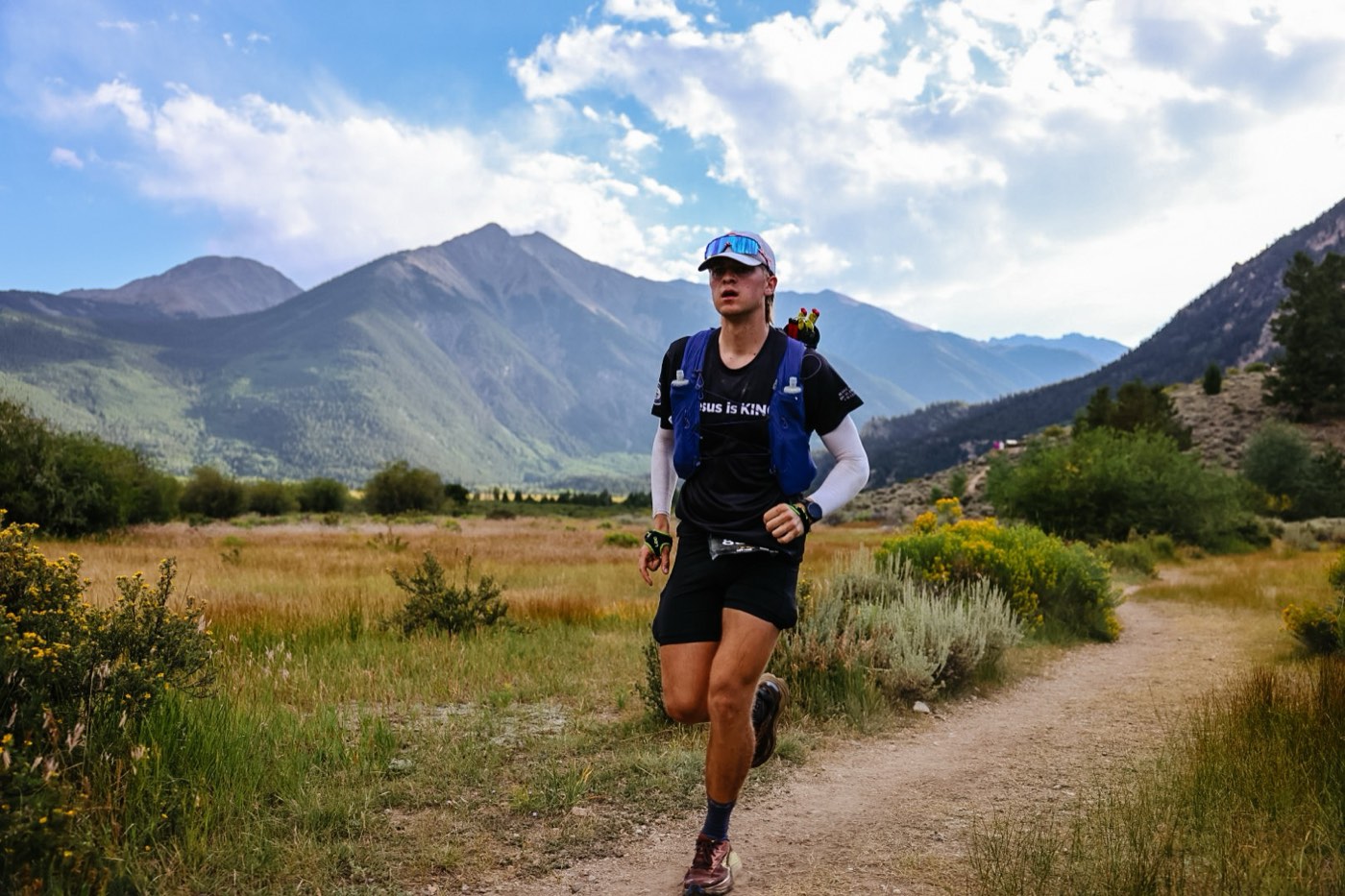
- What it's for: Carrying your water, fuel and gear without bouncing
- When I started: After my first several ultramarathons
For my first several ultramarathons, my vest bounced up and down, up and down. It wasn't until I got the Salomon vest that I didn't have to deal with that anymore, and it can actually carry a lot.
I've used it for long ultramarathons, and it's always helped me carry all the gear I needed.
3. COROS Vertix 2
- What it's for: Long battery life and following your course
- When I started: When I switched from an Apple Watch
- Current model: COROS Vertix 2S, $699, up to 118 hours of full GPS
Honestly, I think Garmin and COROS are both great. I use a Garmin now, but when I got the COROS Vertix 2, it was an absolute game changer. I went from using an Apple Watch to finally getting a real watch, and it made a world of difference.
The main reason is the insane battery life. And for trail races, you can load a file with directions for your course, which is something you don't even think about until you've done one.
2. Hoka Speedgoat
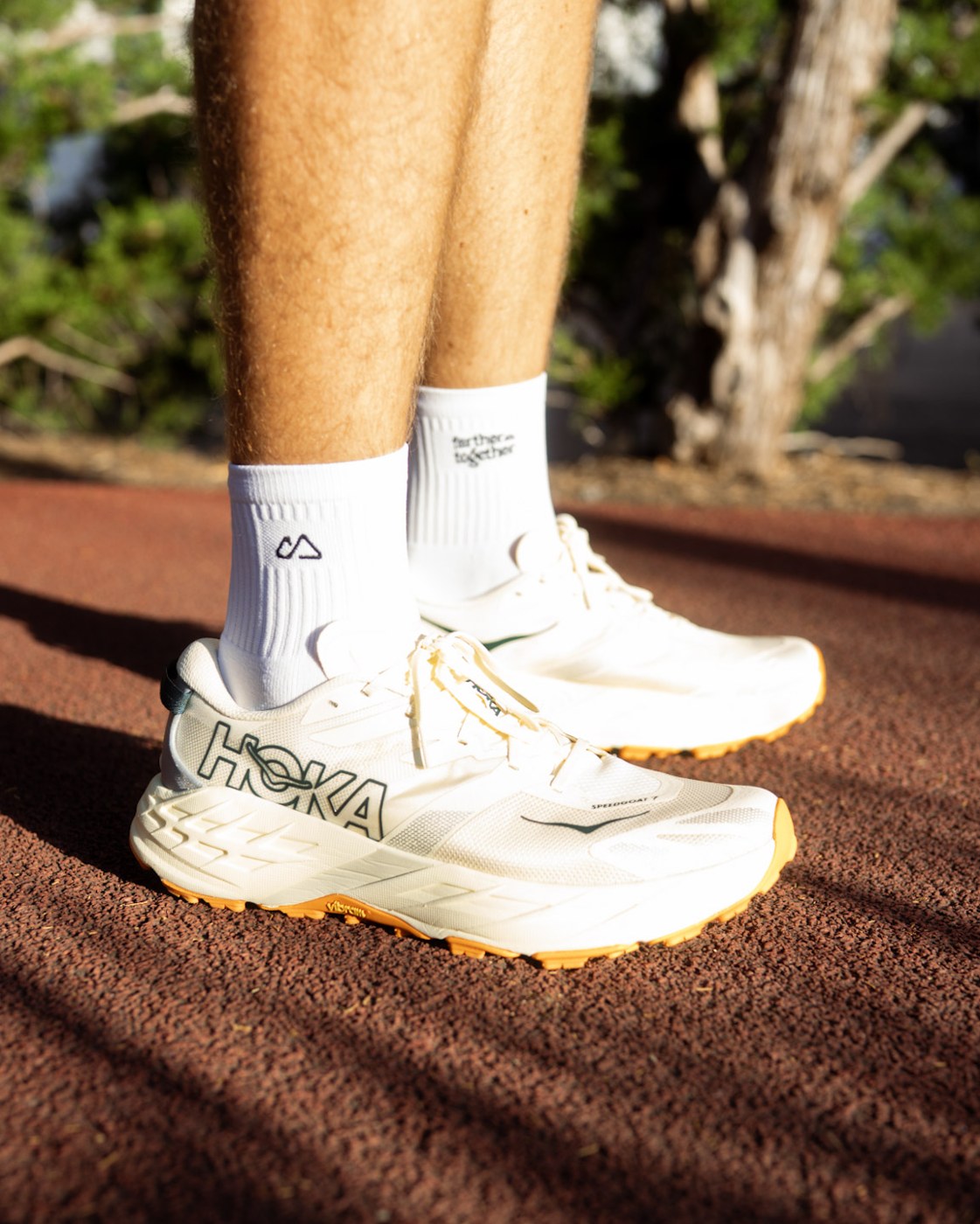
- What they're for: Trail shoes
- When I started: Day one
Obviously, you need a great pair of trail shoes. Hoka Speedgoats have been my favorite since day one. I've used other trail shoes, and they've been good, but Speedgoats are still the best.
1. A coach
- What it's for: Getting where you want to go, faster
- When I started: It's behind every race I've run since
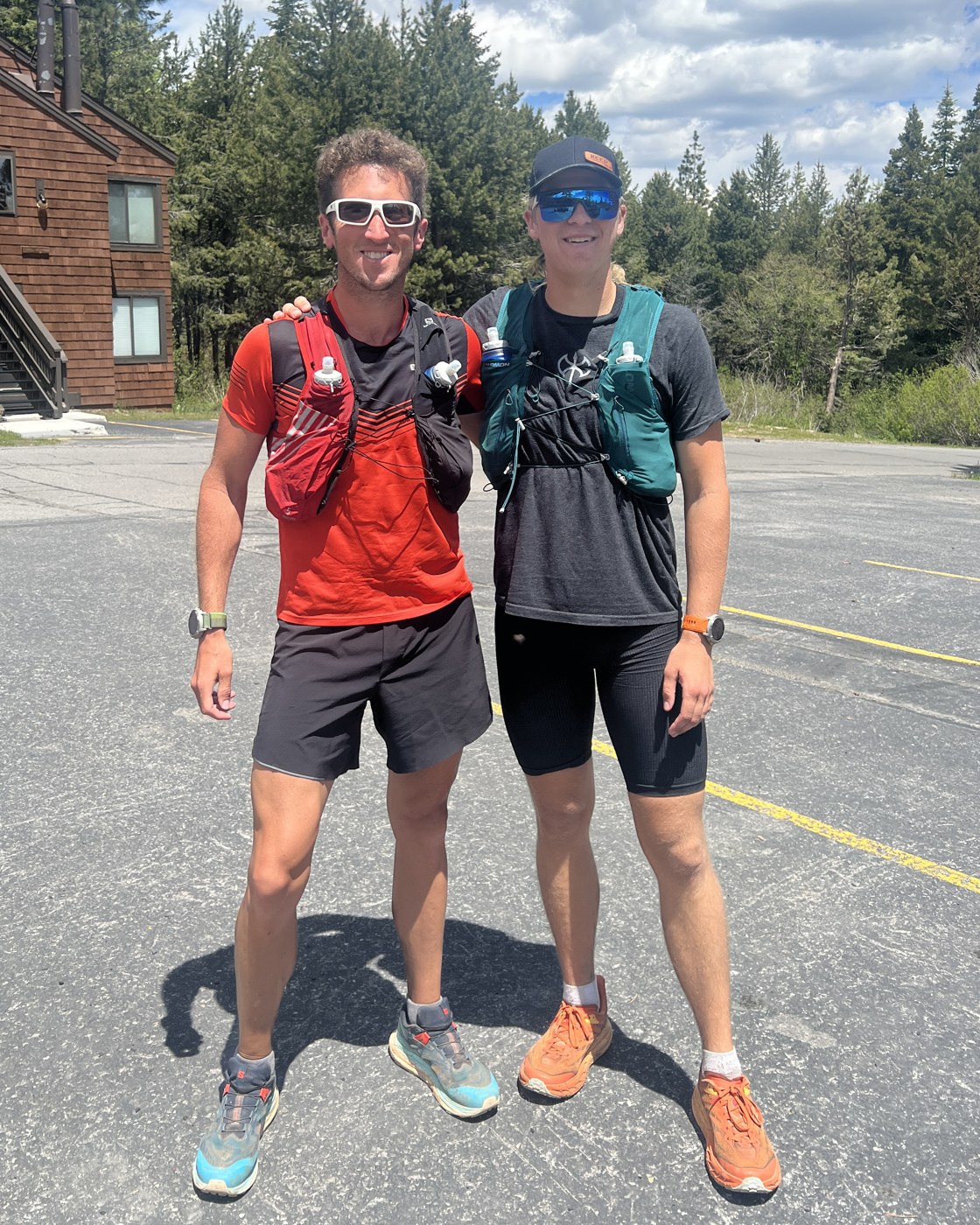
The only reason I've been able to run the races I have is because of the coaches I've had.
I highly recommend hiring a coach who has done what you want to do. You're paying for speed: you get there faster than you would figuring it out alone.
I coach people to their first marathon and their first 100. I'll build the plan around your life and be in your corner all the way to the finish line.
Apply hereSummary: my 6 best trail running gear purchases
| # | Gear | What it's for | When I started using it |
|---|---|---|---|
| 6 | Salty Britches | Preventing chafing and blisters | 29029, 2021 |
| 5 | LEKI trekking poles | Climbing with your arms | Training for my 200s |
| 4 | Salomon ADV Skin 12 | A vest that doesn't bounce | After my first several ultras |
| 3 | COROS Vertix 2 | Battery life and course navigation | My first "real" watch |
| 2 | Hoka Speedgoat | Trail shoes | Day one |
| 1 | A coach | Getting where you want to go, faster | Every race since |
Some links are affiliate links. I only recommend gear I actually use.
Getting ready for a big race? Here's my 100-mile race gear checklist, what I eat during long runs and the 10 running purchases I'd buy again.
Common questions
What gear do you need for trail running?
A good pair of trail shoes, a vest that doesn't bounce, a watch with long battery life and course navigation, something to prevent chafing and blisters, and trekking poles for long or steep races. Training comes first, though.
Are trekking poles worth it for trail running?
For long, steep races, yes. Poles let you use your arms to push yourself up the mountain. Get a light pair that folds into a quiver so you don't have to hold them when you're running.
What is the best trail running vest?
I use the Salomon ADV Skin 12. It doesn't bounce, and it carries everything I need for long ultramarathons.
How do you prevent chafing and blisters when trail running?
I use Salty Britches on my armpits, crotch, butt and feet to prevent chafing and blisters.
What is the best trail running shoe?
My favorite since day one is the Hoka Speedgoat.