I coach busy runners who want to run 100 miles without becoming full-time athletes. I build your plan around your calendar and handle the fueling, gear and blood work, and I keep you accountable all the way to the start line. You show up and run.
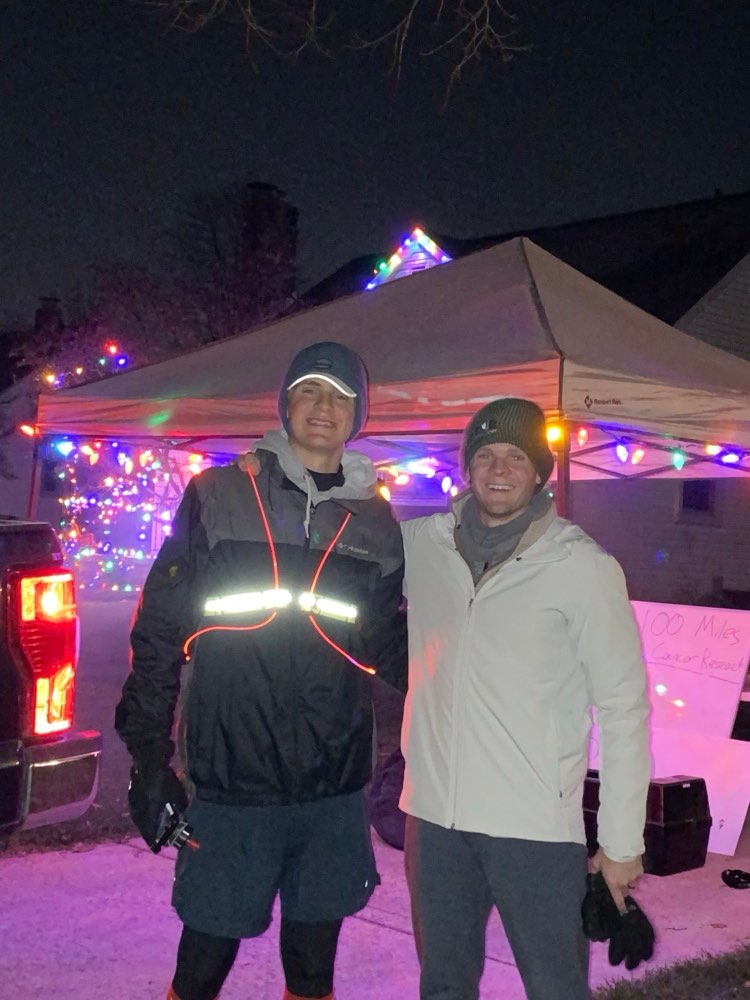
I ran my first 100 miles in November 2020, to raise money for childhood cancer research. I didn't have a coach and had no clue what I was doing, so I mapped out a 1.02-mile loop around my neighborhood and ran it 100 times.
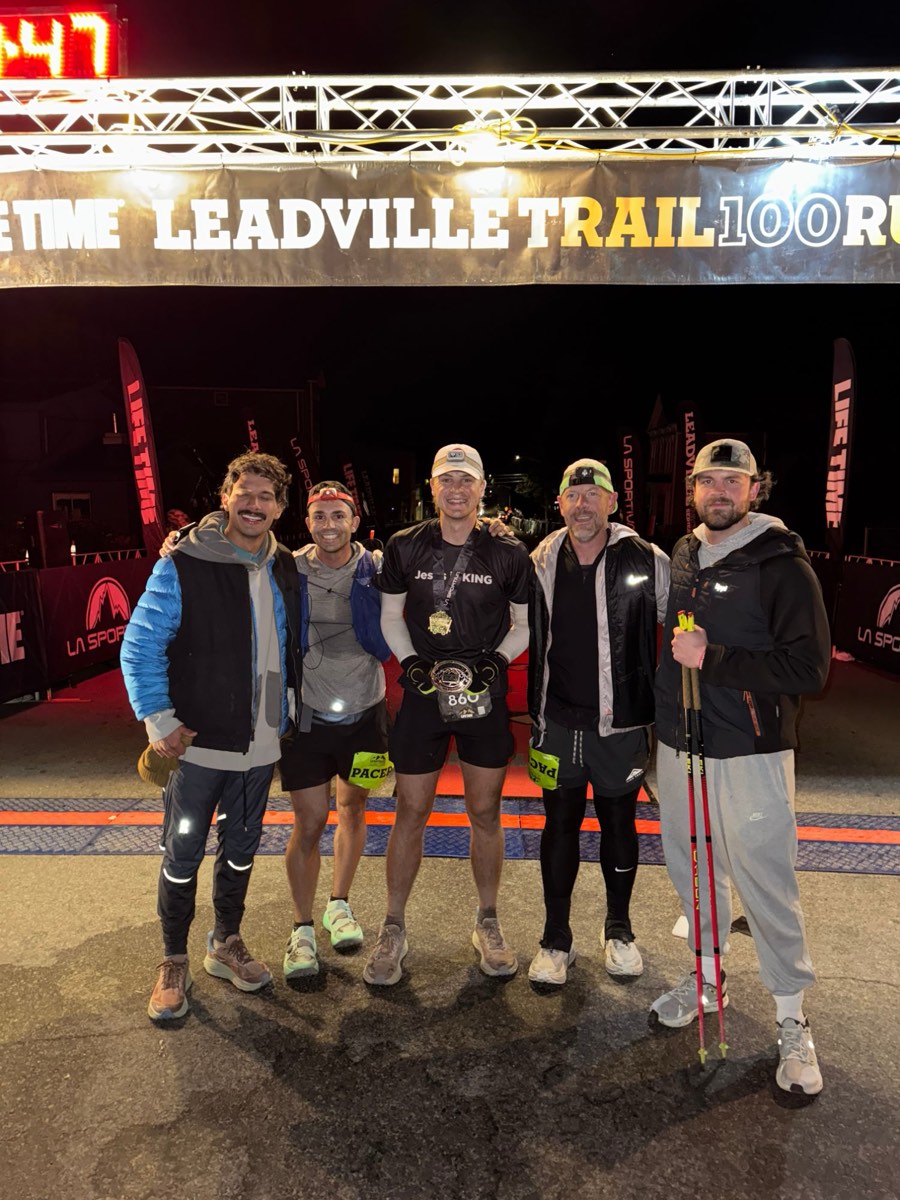
Looking back, I could have done it a lot better with a coach. Once I got one, everything changed. Since then I've run Leadville twice, the Triple Crown of 200s (Tahoe, Bigfoot and Moab 240), Ultraman Arizona, IRONMAN Waco and a 2:51 marathon, and I set a Guinness World Record by running a half marathon on a treadmill for 153 straight days.
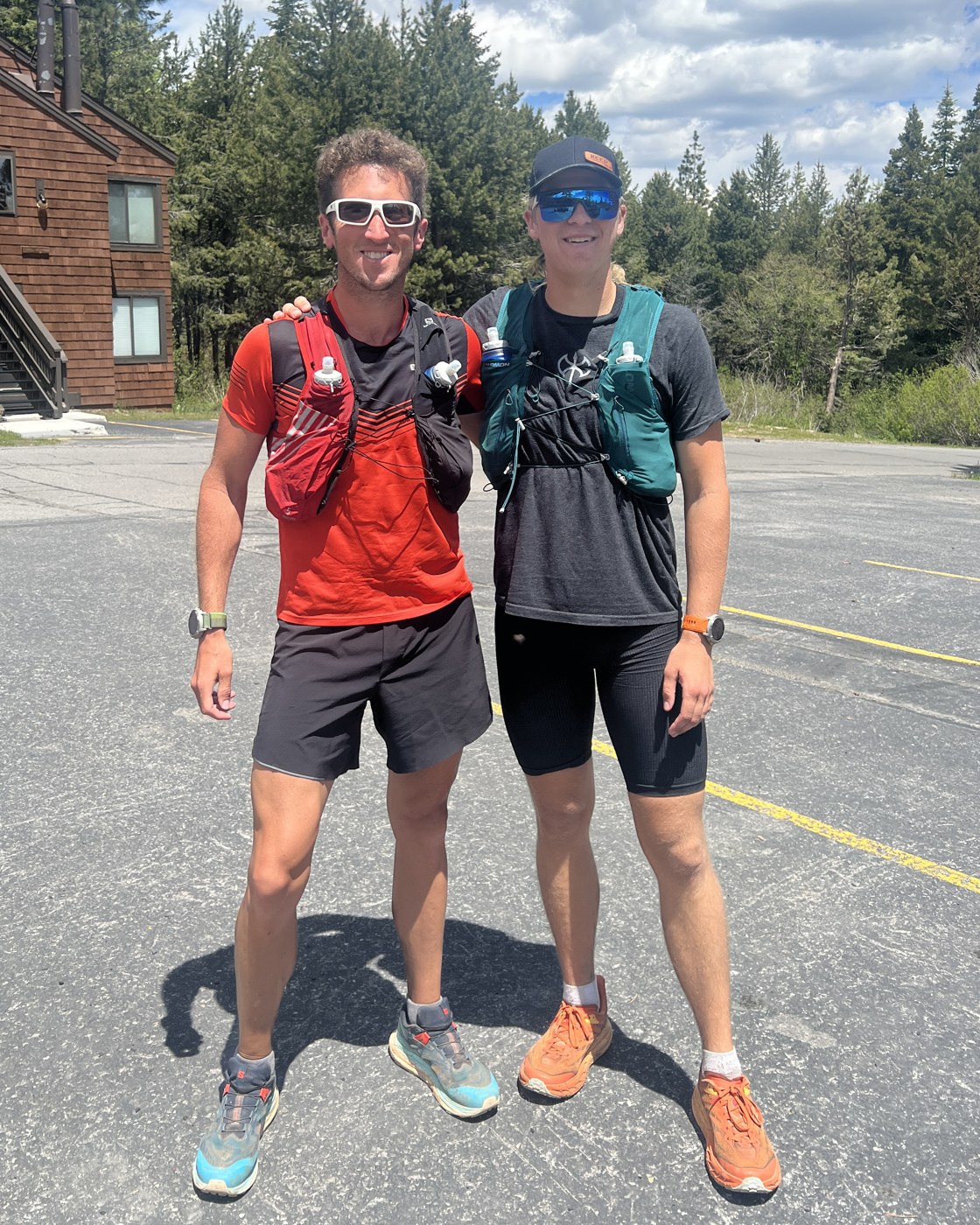
The only reason I've been able to run the races I have is because of the coaches I've had. I highly recommend hiring a coach who has done what you want to do. You're paying for speed: you get there faster than you would figuring it out alone.
- Athletes coached: 100+
- Clients to their first buckle: 13
- Clients who DNF'd on my plan: 2
- My own finishes: 7 × 100 miles, 3 × 200 miles, Leadville 100 in 2022 and 2025
Who I coach
I coach busy people, a lot of them professionals and business owners. They already know how to work hard. What they don't have is a reference point. If you've never run an ultramarathon, you don't know what the training actually requires, so you don't know where to start.
- 50K to 100K: Your first ultra. Trails, time on feet, and learning to eat while you run.
- 100 miles: The buckle. I've earned ten of them. Let's go get yours.
I coach everything from first half marathons to 200-milers. The way to get there is one step at a time. This is the progression I use:
- Half marathon
- Marathon
- 50K
- 50 miles or 100K
- 100 miles
Realistically, about a year: 12 to 18 months from marathon to a 100-mile finish. It depends on the athlete and their goals, but trying to shortcut it is how people end up injured or out of a race.
The biggest mistake I see
The number one mistake busy professionals make when they train for a 100 on their own is simple: they have no clue where to start.
A lot of people assume that to run 100 miles, you need to train four times as much as you did for a marathon. That's not the case. But if you've never done it, you have nothing to compare it to, so you either overtrain and get hurt, or you get overwhelmed and never sign up.
The truth is the training is very doable on a real working schedule, as long as it's structured.
How I coach ultramarathons: the R.A.C.E. system
Most coaches send you a plan and call it coaching. But a perfect plan won't save you if you're hurt, under-fueled, or doing it alone. That's why every athlete I coach runs on four parts that work together. I call it R.A.C.E.
R: Roadmap
Your plan, built backward from race day around your actual life.
- Built around your work hours, family, and the days you can't run
- Every workout tells you what to do and how hard to go
- Adjusted weekly based on your pace and heart rate data
- Ends with a race-day pacing plan
For ultramarathons, I program by time instead of miles. Trail, elevation and heat all change how fast you move, so an hour on the trail is a more honest measure of the work you're doing than a mileage number. It also makes the plan easier to fit into a calendar. "Run 60 minutes" is something you can schedule. "Run 8 miles" depends on the day.
Long training runs peak around 35–40 miles, and your longest effort before a 100 is usually a 50-mile race as a tune-up. Here's what a training week actually looks like.
A: Armor
Injury-proofing, so you make it to the start line healthy.
- Mileage that builds gradually, not all at once
- Strength and mobility work most runners skip
- The daily warm-up I learned training with Steve Weatherford
- Easy days that are actually easy
C: Corner
A coach in your corner who checks in and holds you to it.
- Regular check-ins and text access
- Tough love or encouragement, whichever you need
- Someone who notices when you go quiet
- Honest feedback on every week of training
One athlete I work with, Cole, runs a fitness coaching company and advises businesses on how to scale. He's an extremely motivated and disciplined guy. Even Cole admitted that after a long day of work, it's easy to miss a workout if nobody is holding you accountable. Discipline gets you started. Structure and accountability are what get you through month nine.
Cole also travels a lot, so the plan couldn't be rigid. We stayed flexible and adapted his training week to week around his schedule, and we knocked it out. He finished his 100 miles in 29 hours.
E: Energy
Fueling that keeps your legs and your stomach in the race.
- Day-to-day nutrition to recover and keep training
- What to eat before and during long runs
- Carbs, fluids, and sodium dialed in for race day
- Practiced in training, so nothing is new on race day
On every long run of 4 to 5 hours, practice eating and drinking exactly the way you plan to on race day. I start athletes at 200–300 calories and 16–32 oz of water per hour, with 600–800 mg of sodium per liter of fluid. Your gut is trained just like your legs.
Lessons I learned the hard way
I've done this the hard way. I've walked the last 26 miles of a 100 in worn-out shoes and dropped from 10th to 33rd. I've overheated at the Keys 100 because I didn't have a way to carry ice. You don't have to learn those lessons yourself.
Athletes I've coached to the finish
How it works
- Apply. Answer a few quick questions about your goal and where you are today. Takes two minutes.
- Intake call. We talk through your race, your schedule, your history with injuries and fueling, and how you like to be coached.
- Start training. Your plan shows up in your app, I check in every week, and you start running your race with someone in your corner.
The guarantee
Do the work and you'll finish your race, or PR it if you've run that distance before. If you don't, I'll keep coaching you for free until you do.
"Do the work" means completing at least 90% of your workouts, showing up to check-ins, and following the race-day fueling and pacing plan we build together. Free coaching covers your next goal race within 6 months. If your race is cancelled, shortened, or rerouted, or an illness or accident keeps you out, we roll the guarantee to your next race. PRs are compared on the same kind of course (road to road, trail to trail).
Whether it's your first 50K or your first 100, I'll build the plan around your life and be in your corner all the way to the finish line.
Apply for coachingKeep reading
- How to train for your first 100-mile race while working full time
- How to run your first 100-mile race: the complete guide
- Best 100-mile races for your first buckle
- Easiest ultramarathons for your first 50K
- 100-mile race gear checklist
Common questions
Do I need a coach for my first ultramarathon?
You can do it without one. I did my first 100 without a coach, and looking back, I could have done it a lot better with one. I highly recommend hiring a coach who has done what you want to do. You get there faster than you would figuring it out alone.
How long does it take to go from a marathon to 100 miles?
About 12 to 18 months, depending on the athlete and their goals.
How many hours a week do you train for a 100-miler?
At peak, at least nine hours a week for six weeks for a 100K or 100-miler, starting nine weeks out. For a 50K or 50-miler, at least six hours a week for three or more weeks, starting six weeks out.
How long should my longest training run be?
Long runs peak around 35–40 miles. Your longest effort is usually a 50-mile race as a tune-up.
I've never had a coach. What does it actually look like?
Your workouts show up in your training app each week with what to do and how hard to go. You log your runs, I look at the data, and we check in regularly. You can text me questions in between.
I keep getting hurt. Can you help?
Injury prevention is built into every plan: gradual mileage, strength and mobility work, and easy days that are actually easy. Tell me about your injury history on the intake call and we'll plan around it. For anything serious, see a doctor or physical therapist first.
Do you only coach ultramarathons?
No. I coach everything from first half marathons to 200-milers. Nearly half of my athletes are training for a marathon. Here's my marathon coaching.