I coach people to their first marathon and faster marathons, fueling plan included. I'll build the plan around your life and be in your corner all the way to the finish line.
I ran my first marathon in 2018. In the summer of 2018, I was talking to a friend, and he threw out the idea of doing a marathon. I was like, "Oh yeah, I would do one," because I had started running a little bit in high school. I played lacrosse, and we had to run a 5K every day before lacrosse tryouts. I also saw my mom run a marathon every year and thought if she could do a marathon, I could at least do a half marathon.
I signed up for the Buildup Half Marathon at Wright-Patterson Air Force Base, and on August 18, 2018, I ran my first-ever half marathon. Before it, people were asking me questions like, "Do you know how to fuel? Do you know what you're doing? Do you know how to pace yourself? Do you know how to carb load?" I had absolutely no clue what I was doing, but my grandpa and I drove to the race, and the rest is history.
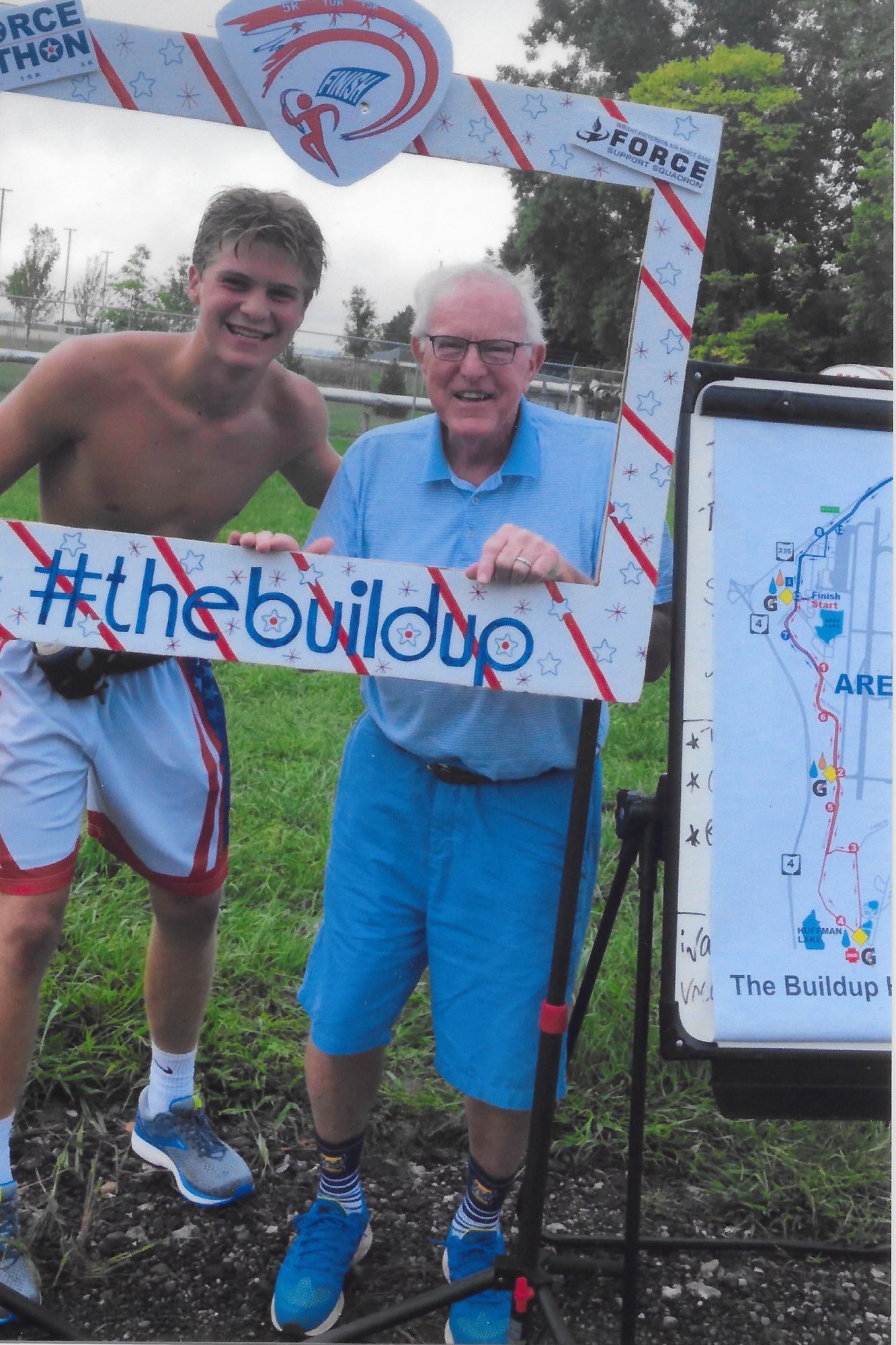
The race was really hard, but I finished it. After it, I was like, "If I didn't know I could do this before, but I was able to do it, what else is possible? What else can I do?"
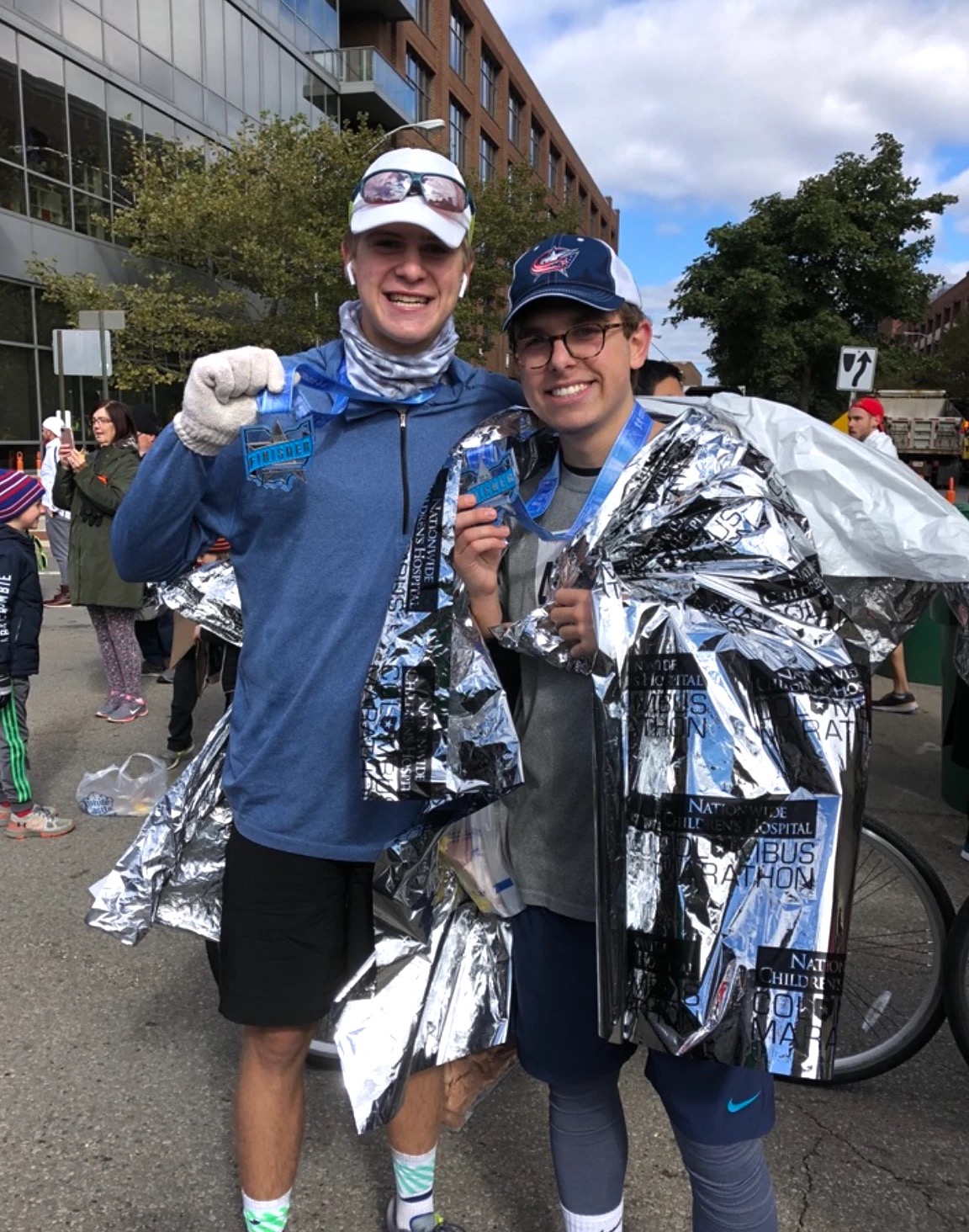
I signed up for the Columbus Marathon and ran my first marathon that October. I completely bonked at mile 20 and had to walk-run it in, but I was able to get it done. I ran a 3:43.
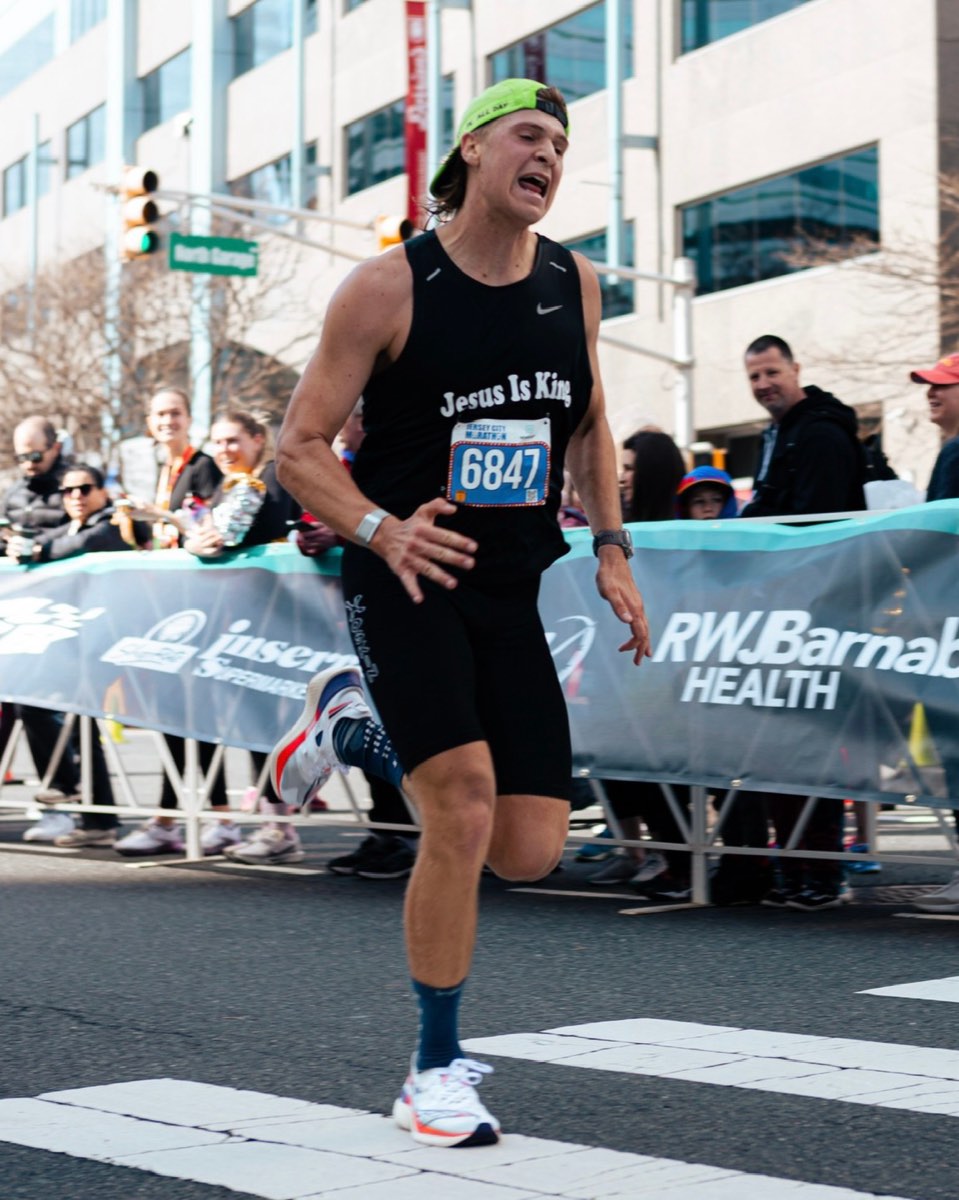
After that, I hired different running coaches to help me achieve my various goals running ultramarathons, before I came back to the marathon and ran a 2:51 at the Jersey City Marathon in April 2024 and qualified for Boston. That's 52 minutes faster than Columbus.
For Jersey City, I worked with my friend Jeremy Miller, and having a coach was a game changer. We started working together the first week of January, so we only had three and a half months to prepare, so I needed a custom plan, not a cookie-cutter approach. The accountability, structure and guidance helped me push past limits I wouldn't have on my own.
Now I have coached over 100 athletes, ranging from half marathons all the way to 200 miles.
- Athletes coached: 100+
- First marathon finishes: 30+
- My marathon PR: 2:51, Jersey City 2024 (Boston qualifier)
- Who I coach: Nearly half of my athletes are chasing a marathon
Who I coach
The people I coach aren't lazy. They're nurses, business owners, parents of toddlers, guys who used to be 60 pounds heavier. They've got the "no quit" attitude already. What they're missing is information and structure.
- Half marathon: Your first race, or your first time racing it instead of surviving it.
- Marathon: Finish strong, break 4 hours, or chase a Boston qualifier.
Some of my athletes started with a longest run of 2 or 3 miles. If you have a goal and you're willing to do the work, I'll build you the foundation to get there safely.
The biggest mistake I see
They ramp up too fast, run every run too hard, skip the strength work, and fuel with whatever's in the pantry. Then the shins start barking two months in, the long runs fall apart at mile 14, and the goal race starts to feel like a mistake.
If you're blowing up at mile 18 or later, it may not be your training. It could be your fueling.
How I coach marathons: the R.A.C.E. system
Most coaches send you a plan and call it coaching. But a perfect plan won't save you if you're hurt, under-fueled, or doing it alone. That's why every athlete I coach runs on four parts that work together. I call it R.A.C.E.
R: Roadmap
Your plan, built backward from race day around your actual life.
- Built around your work hours, family, and the days you can't run
- Every workout tells you what to do and how hard to go
- Adjusted weekly based on your pace and heart rate data
- Ends with a race-day pacing plan
You have to run a lot. But a lot doesn't mean 100-mile weeks. It's probably not as much as you think. In the three and a half months before Jersey City, most of my weeks were somewhere around 45 to 65 miles, and my biggest week was around 70.
Every Wednesday, I did a speed session, ranging from 400m repeats to 3-mile efforts at marathon pace. Once or twice a month, I added long-run workouts to simulate marathon effort over longer distances. Everything else was easy. The speed work only works if you're recovered enough to actually hit it.
A: Armor
Injury-proofing, so you make it to the start line healthy.
- Mileage that builds gradually, not all at once
- Strength and mobility work most runners skip
- The daily warm-up I learned training with Steve Weatherford
- Easy days that are actually easy
The key is not increasing your volume too quickly. If you do, you will get injured. If you're under 30 miles a week, add about 3 miles a week. Over 30, add about 10% a week, and take a lighter recovery week every fourth week. I do 1 to 2 leg workouts a week, paired with my hard running days. That's plenty.
C: Corner
A coach in your corner who checks in and holds you to it.
- Regular check-ins and text access
- Tough love or encouragement, whichever you need
- Someone who notices when you go quiet
- Honest feedback on every week of training
E: Energy
Fueling that keeps your legs and your stomach in the race.
- Day-to-day nutrition to recover and keep training
- What to eat before and during long runs
- Carbs, fluids, and sodium dialed in for race day
- Practiced in training, so nothing is new on race day
Most runners under-fuel and pay the price on race day. For Jersey City, I did a 3-day carb load with 600+ grams of carbs per day, then took about 80 grams of carbs per hour in the race. Here's exactly how I fueled my 2:51.
Athletes I've coached to the finish
How it works
- Apply. Answer a few quick questions about your goal and where you are today. Takes two minutes.
- Intake call. We talk through your race, your schedule, your history with injuries and fueling, and how you like to be coached.
- Start training. Your plan shows up in your app, I check in every week, and you start running your race with someone in your corner.
The guarantee
Do the work and you'll finish your race, or PR it if you've run that distance before. If you don't, I'll keep coaching you for free until you do.
"Do the work" means completing at least 90% of your workouts, showing up to check-ins, and following the race-day fueling and pacing plan we build together. Free coaching covers your next goal race within 6 months. If your race is cancelled, shortened, or rerouted, or an illness or accident keeps you out, we roll the guarantee to your next race. PRs are compared on the same kind of course (road to road, trail to trail).
Whether it's your first marathon or a faster one, I'll build the plan around your life and be in your corner all the way to the finish line.
Apply for coachingKeep reading
- How to run a faster marathon: 5 things that cut 52 minutes off my time
- Marathon fueling plan: how I fueled to run a 2:51
- How to carb load for a marathon
- Best Boston qualifying marathons you can actually get into
- 12 running tips I wish I knew when I started
- Running pace calculator
Training for an ultra instead? See ultramarathon coaching.
Common questions
I'm brand new to running. Is this for me?
Yes. Some of my athletes started with a longest run of 2 or 3 miles. If you have a goal and you're willing to do the work, I'll build you the foundation to get there safely.
How many miles a week do I need to run a faster marathon?
Probably fewer than you think. Before my 2:51, most of my weeks were around 45 to 65 miles, peaking around 70. You don't need 100-mile weeks.
How many carbs should I take per hour in a marathon?
About 60 to 90 grams per hour. I did just over 80 when I ran my 2:51.
How much time per week will this take?
That depends on your goal and your life. We'll set a maximum number of hours and days on your intake call, and I build the plan inside it. Most of my athletes run 4 to 6 days a week.
I've never had a coach. What does it actually look like?
Your workouts show up in your training app each week with what to do and how hard to go. You log your runs, I look at the data, and we check in regularly. You can text me questions in between.
Do I need a GPS watch?
It helps a lot, since I use your pace and heart rate to adjust your plan. Most of my athletes already have one. If you don't, I'll tell you what to get.
Do you only coach ultramarathons?
No. I coach everything from first half marathons to 200-milers. Nearly half of my athletes are training for a marathon.