
I carb loaded for 3 days, ate dates and a Maurten Drink Mix 160 on race morning, took a Maurten 160 right before the start, then took 1 gel every 4 miles (about every 25 minutes), plus a caffeinated gel at mile 20. That gave me just over 80 grams of carbs per hour.
A lot of runners bonk in a marathon not because they aren't fit enough, but because they underfuel.
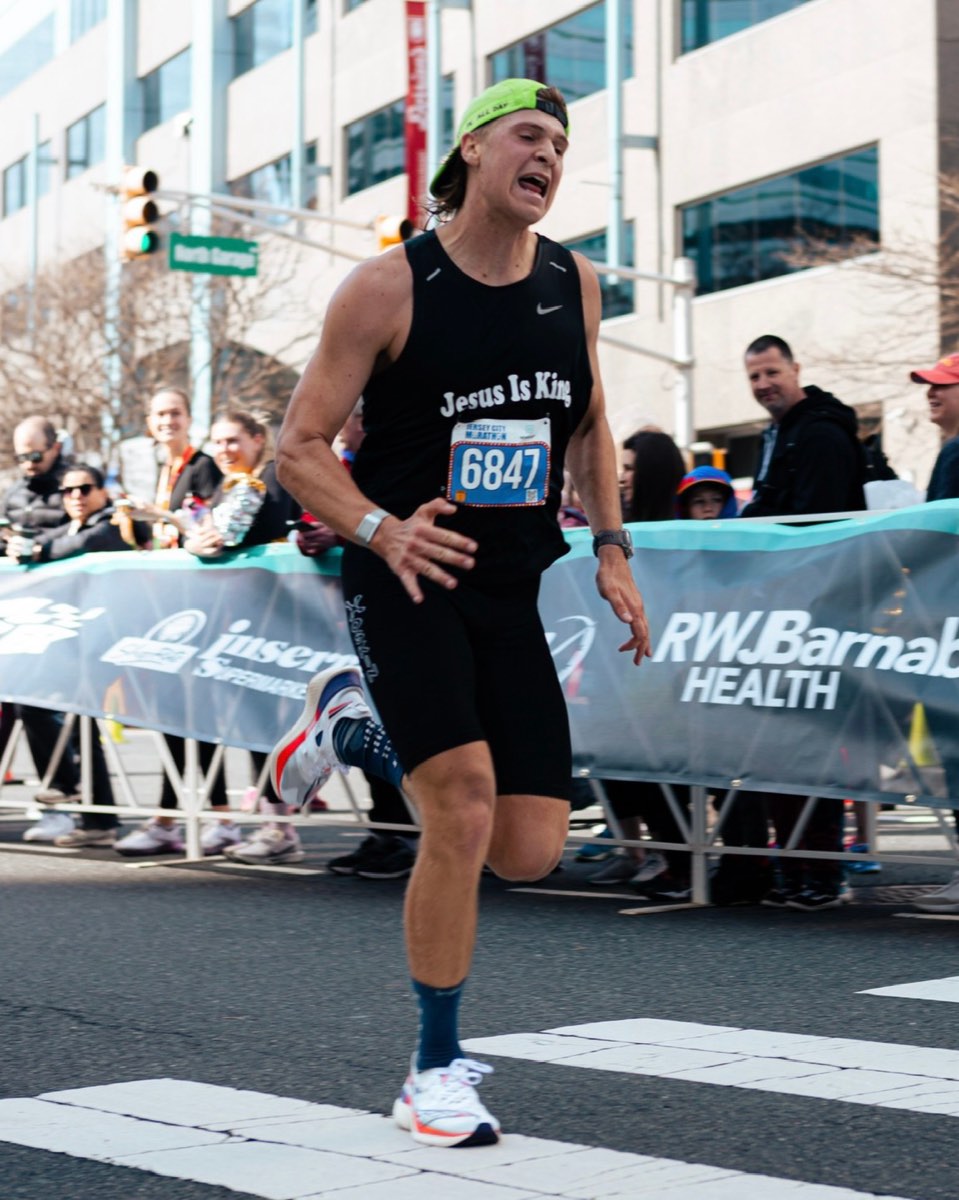
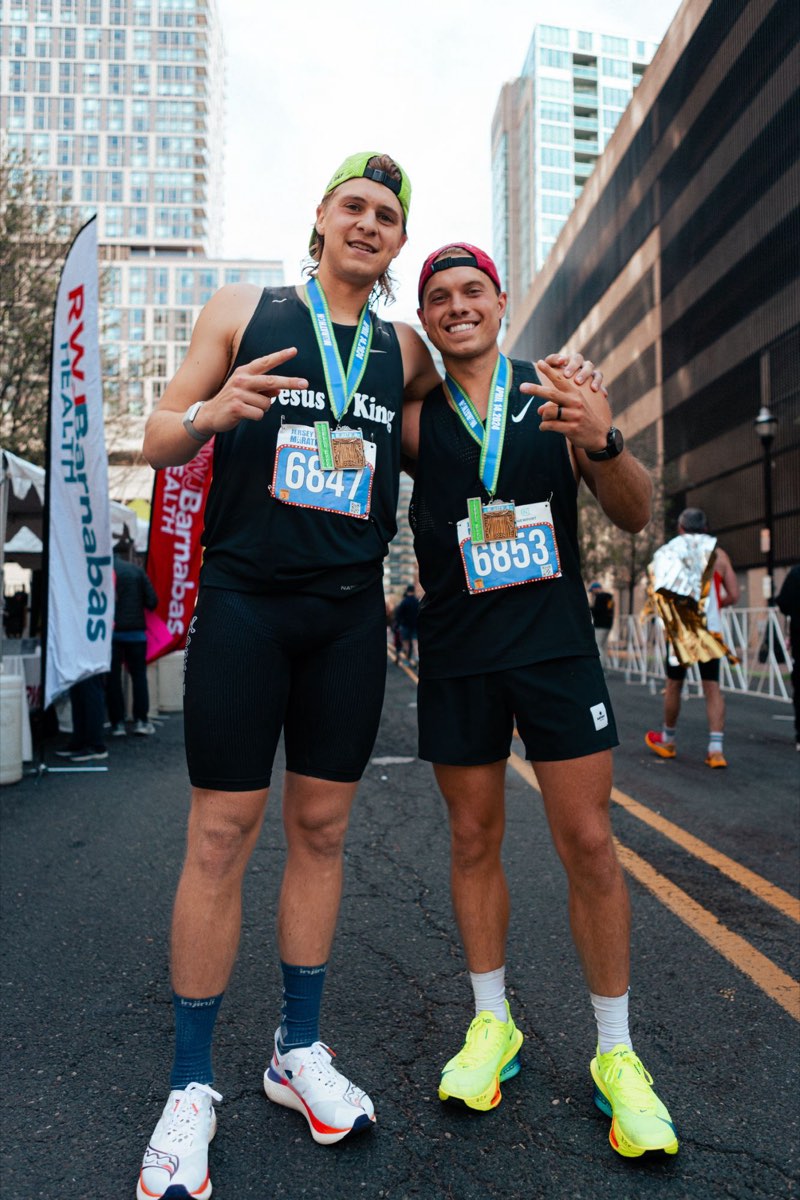
When I ran a 2:51 at the 2024 Jersey City Marathon and qualified for Boston, my fueling was a big part of it. Here's exactly what I did to stay strong all 26.2 miles, from the carb load to the last gel.
1. Carb load for 3 days
Fueling starts before race day. For three days before the race, I ate 600+ grams of carbs a day. That fills your muscles with glycogen, the fuel you burn on race day.
Three days makes it a lot easier than cramming it into one or two. Here's exactly how I carb load, with what I eat and how I hit my numbers.
2. Race morning: dates and a Maurten Drink Mix 160
On race morning, I kept it simple and easy to digest: dates and a Maurten Drink Mix 160.
Eat your race-morning carbs 2 to 3 hours before the start, and stick to foods you've already tried before long runs. Race morning is not the time to try something new.
3. A Maurten 160 right before the start
Right before the race, I took a Maurten 160. That way I started the race topped off, instead of waiting until mile 4 for my first carbs.
4. One gel every 4 miles
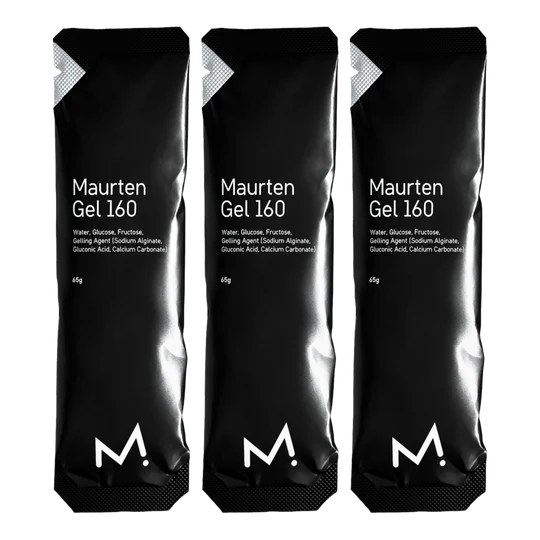
Then I took 1 gel every 4 miles, roughly every 25 minutes:
| When | What |
|---|---|
| Right before the start | Maurten 160 |
| Mile 4 | Gel |
| Mile 8 | Gel |
| Mile 12 | Gel |
| Mile 16 | Gel |
| Mile 20 | Gel |
| Mile 20 | Bonus: caffeinated gel |
| Mile 24 | Gel |
That gave me just over 80 grams of carbs per hour, right in the optimal range for endurance performance. Most runners do well somewhere between 60 and 90 grams per hour.
Mile 20 is where the marathon really starts, so that's where I added the caffeinated gel, to help me through the last 10K.
If you're blowing up at mile 18+
If you're blowing up at mile 18 or later, it may not be your training. It could be your fueling.
Practice your race fueling on your long runs, with the same gels and the same timing, so your stomach is ready on race day. Here's what I eat during long runs.
Fueling was one of five things that helped me cut 52 minutes off my marathon time. Here are the other four.
I coach people to their first marathon and faster marathons, fueling plan included. I'll build the plan around your life and be in your corner all the way to the finish line.
Apply for coachingCommon questions
How many gels should I take in a marathon?
It depends on your pace and your gels. I took one gel every 4 miles, plus a Maurten 160 before the start and a bonus caffeinated gel at mile 20. That was just over 80 grams of carbs per hour.
When should I take gels during a marathon?
Start early and stay consistent. I took my first gel at mile 4 and one every 4 miles after that, roughly every 25 minutes. Don't wait until you feel tired.
How many carbs per hour should I eat during a marathon?
About 60 to 90 grams per hour. I did just over 80 when I ran my 2:51.
What should I eat on marathon morning?
Simple, easy-to-digest carbs you've already tested in training, 2 to 3 hours before the start. I had dates and a Maurten Drink Mix 160.