
To run a faster marathon: 1. run a lot of miles (but build slowly), 2. strength train and foam roll, 3. do one speed workout a week plus long-run workouts, 4. carb load and fuel about 60 to 90 grams of carbs per hour on race day (I did 80), and 5. hire a coach. That's how I went from 3:43 to 2:51.
We see insane marathon times on Instagram all the time, but what's usually left out is all the work it took to get there.
It's easy to compare your time to someone else's without seeing the miles, sacrifices and discipline behind the scenes.
My first marathon was the Columbus Marathon in 2018. I ran a 3:43. In April 2024, I ran a 2:51 at the Jersey City Marathon and qualified for Boston. That's 52 minutes. Here's what it really took.
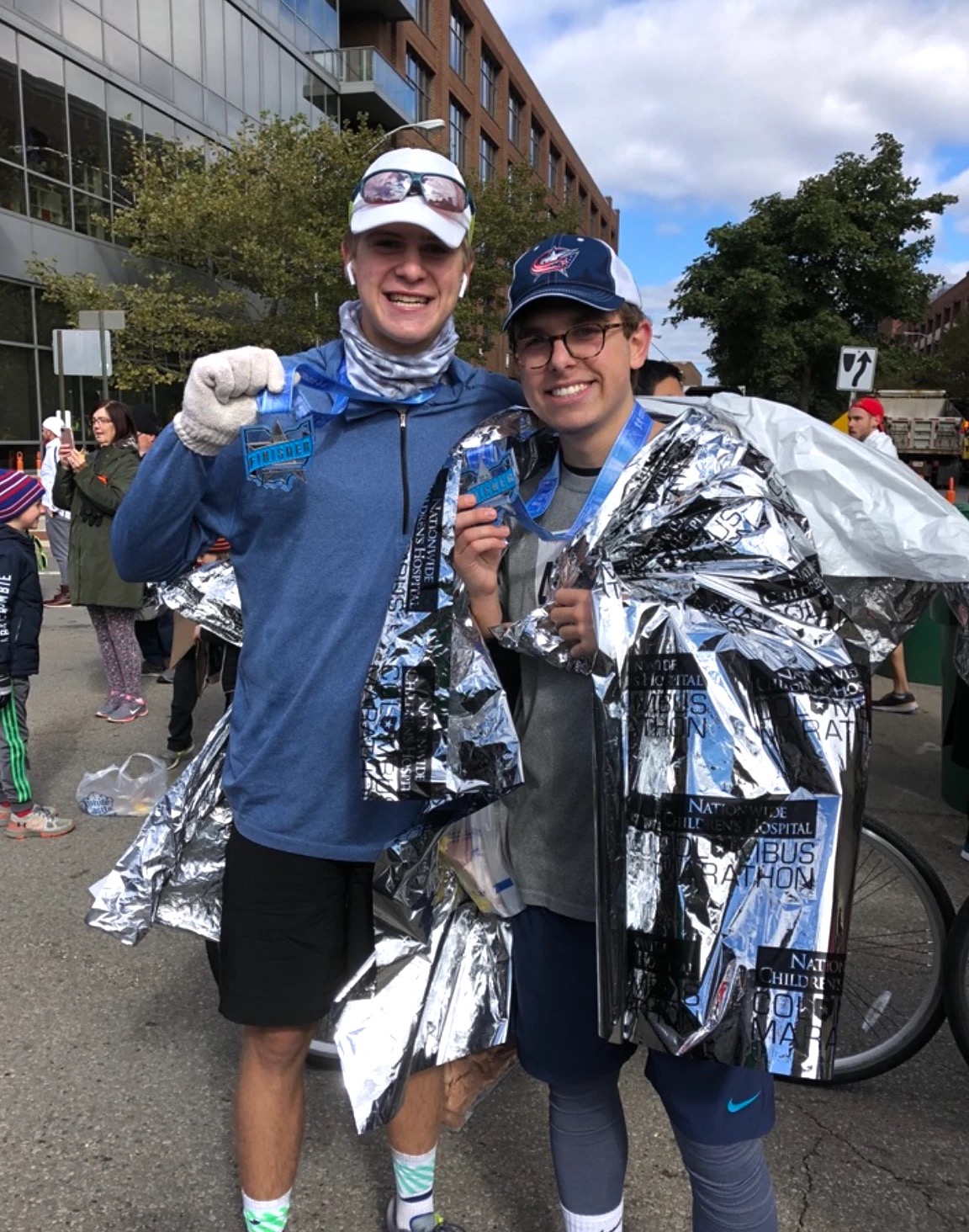
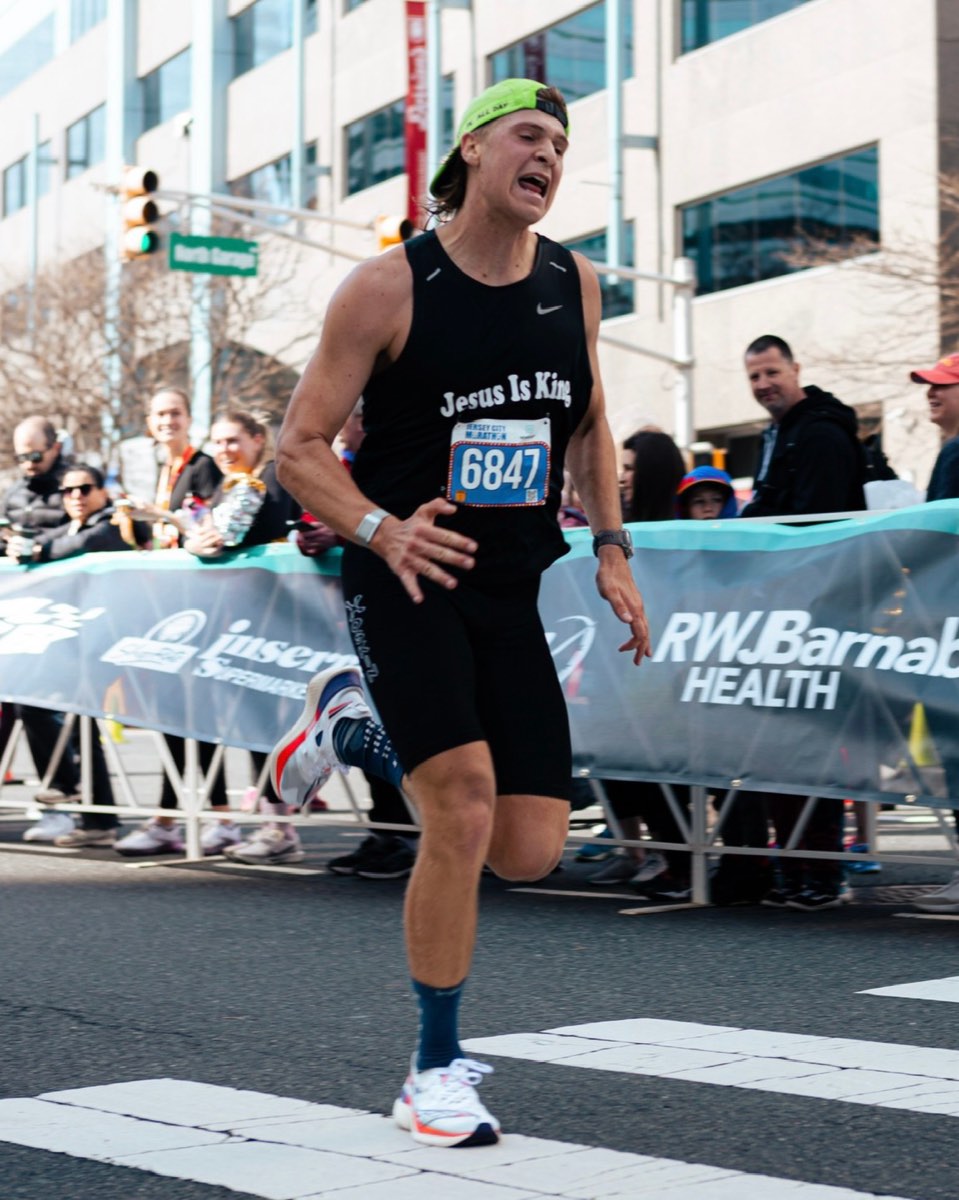
1. High volume = faster times
You have to run a lot. Between 2018 and 2024, I logged thousands of miles. If I had focused solely on marathons earlier, I might have improved my time faster, but years of ultramarathon training made me extremely durable when I finally went for speed.
A lot doesn't mean 100-mile weeks, though. It's easy to scroll Strava, see people posting 100-mile weeks like it's nothing, and think that's what it takes to run a sub-3. It's probably not as much as you think. In the three and a half months before Jersey City, most of my weeks were somewhere around 45 to 65 miles, and my biggest week was around 70.
The key here is not increasing your volume too quickly. If you do, you will get injured. If you're under 30 miles a week, add about 3 miles a week. Over 30, add about 10% a week, and take a lighter recovery week every fourth week. More on that in my running tips.
2. Strength train and foam roll
Strength train so you don't get injured. I do 1 to 2 leg workouts a week, paired with my hard running days. That's plenty.
And foam roll to help you recover. It won't prevent injuries on its own, but it helps your legs feel better between runs, especially when your mileage is going up.
3. One speed workout a week + long-run workouts
Every Wednesday, I did a speed session, ranging from 400m repeats to 3-mile efforts at marathon pace.
Once or twice a month, I added long-run workouts to simulate marathon effort over longer distances. These were crucial for building strength and race-day confidence. My last long-run workout, two weeks before the race, was a 21-mile marathon workout:
- 4 miles easy
- 6 x (2 miles at 6:35 pace, 800m at 7:10 pace)
- 2 miles easy
Everything else was easy. The speed work only works if you're recovered enough to actually hit it.
4. Optimized fueling and hydration

For this race, I dialed in my nutrition:
- A 3-day carb load: 600+ grams of carbs per day. Here's exactly how I carb load.
- Race-day fueling: about 60 to 90 grams of carbs per hour. I did 80 in the race.
Most runners under-fuel and pay the price on race day. When you fuel properly, you unlock another level of performance. On long runs over 2 hours, aim for 60 to 90 grams of carbs per hour, and practice it in training so race day isn't the first time. Here's what I eat during long runs.
5. A great coach makes a huge difference
I worked with my friend Jeremy Miller, and having a coach was a game changer. We started working together the first week of January, so we only had three and a half months to prepare, so I needed a custom plan, not a cookie-cutter approach.
The accountability, structure and guidance helped me push past limits I wouldn't have on my own.
If you want to take your marathon time to the next level and you're tired of trying to do it all yourself and failing, hire a coach. It will be well worth it.
Chasing a Boston qualifier? Here are the best Boston qualifying marathons you can actually get into, and 10 marathons to add to your bucket list.
I coach people to their first marathon and faster marathons. I'll build the plan around your life and be in your corner all the way to the finish line.
Apply for coachingCommon questions
How do I run a faster marathon?
Run more miles, but build up slowly, and strength train so you stay healthy. Do one speed workout a week, plus a long-run workout once or twice a month. Carb load for 3 days and fuel about 60 to 90 grams of carbs per hour on race day. And hire a coach who's done what you want to do.
How many miles a week do you need to run a sub-3 marathon?
Probably fewer than you think. Before my 2:51, most of my weeks were around 45 to 65 miles, peaking around 70. You don't need 100-mile weeks.
How many carbs should I eat during a marathon?
About 60 to 90 grams per hour. I did 80 in the race when I ran my 2:51.
How long does it take to get faster at the marathon?
It took me from 2018 to 2024 to go from 3:43 to 2:51, but I spent most of those years training for ultramarathons. If you focus on the marathon, it can happen faster.