
For a first 100-miler, pick a race with low elevation gain, cool temperatures, a generous cutoff, low altitude and smooth terrain. My five picks for 2027: Rocky Raccoon 100 (Texas, February), Tunnel Hill 100 (Illinois, November), Brazos Bend 100 (Texas, December), the Hennepin Hundred (Illinois, October) and the Long Haul 100 (Florida, January).
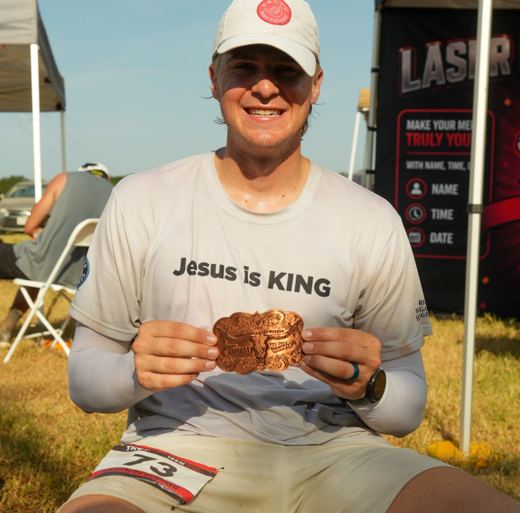
I've finished seven 100-milers and three 200-milers. Some were brutal on purpose: Leadville tops out above 12,000 feet, and the Moab 240 is, well, 240 miles. For your first one, you don't want brutal. You want a race that gives you the best possible chance of crossing the finish line and holding that buckle.
Here's how I'd choose, and the races I'd point you to.
6 factors to consider when picking your first 100
- What excites you most? You'll train for this race for months. Pick one you genuinely want to run, whether that's the location, the scenery or the story you'll get to tell. Excitement gets you out the door on hard mornings.
- Elevation gain. Less climbing means more of the course is runnable and less of your race is spent grinding uphill. For a first 100, the flatter the better.
- Temperature. Heat is one of the biggest reasons people drop. Cool, mild races are far more forgiving, but plan for a cold night.
- Cutoff times. More hours means more margin for a bad patch. Most beginner-friendly 100s give you 30 to 32 hours.
- Altitude. Racing near sea level means you're not fighting for oxygen. Save the high-altitude races for later.
- Terrain. Smooth trail, rail trail or towpath is easier on your feet and your focus than rocky, technical singletrack, especially at 3am.
At a glance
| Race | Month | Elevation gain | Temps (high/low) | Cutoff | Course |
|---|---|---|---|---|---|
| Rocky Raccoon 100 Huntsville, TX | Feb | 5,000 ft | 63° / 46°F | 32 hr | 5 × 20-mile loops |
| Tunnel Hill 100 Vienna, IL | Nov | 1,400 ft | 55° / 37°F | 30 hr | Rail trail, out-and-backs |
| Brazos Bend 100 Needville, TX | Dec | Under 100 ft | 67° / 46°F | 32 hr | 6 × 16.7-mile loops |
| Hennepin Hundred Sterling, IL | Oct | 1,100 ft | 65° / 45°F | 30 hr | Point-to-point canal towpath |
| Long Haul 100 Lakeland, FL | Jan | 1,200 ft | 69° / 51°F | 32 hr | 6 × 16.8-mile loops |
1. Rocky Raccoon 100: Huntsville, Texas
- Date: February
- Temps: 63°F high / 46°F low
- Altitude: 400 ft
- Elevation gain: 5,000 ft
- Airport: IAH, 1 hour away
Rocky Raccoon is five 20-mile loops through the pines of Huntsville State Park, mostly on soft trail covered in pine needles. The climbing is the most on this list, but it comes in small rolling bits rather than big mountains. The loop format means you pass your drop bag and crew every 20 miles, and February in east Texas is about as good as race weather gets.
2. Tunnel Hill 100: Vienna, Illinois
- Date: November
- Temps: 55°F high / 37°F low
- Altitude: 340–680 ft
- Elevation gain: 1,400 ft
- Airport: STL, 2.5 hours away
Tunnel Hill runs on the Tunnel Hill State Trail, a smooth rails-to-trails path of crushed rock, complete with an old railroad tunnel and trestle bridges. Rail trails never get steep, so almost all of it is runnable. It's known as one of the fastest 100-mile courses anywhere. Pack warm layers: it's the coldest race on this list.
3. Brazos Bend 100: Needville, Texas
- Date: December
- Temps: 67°F high / 46°F low
- Altitude: 30 ft
- Elevation gain: Under 100 ft
- Airport: HOU, 1 hour away
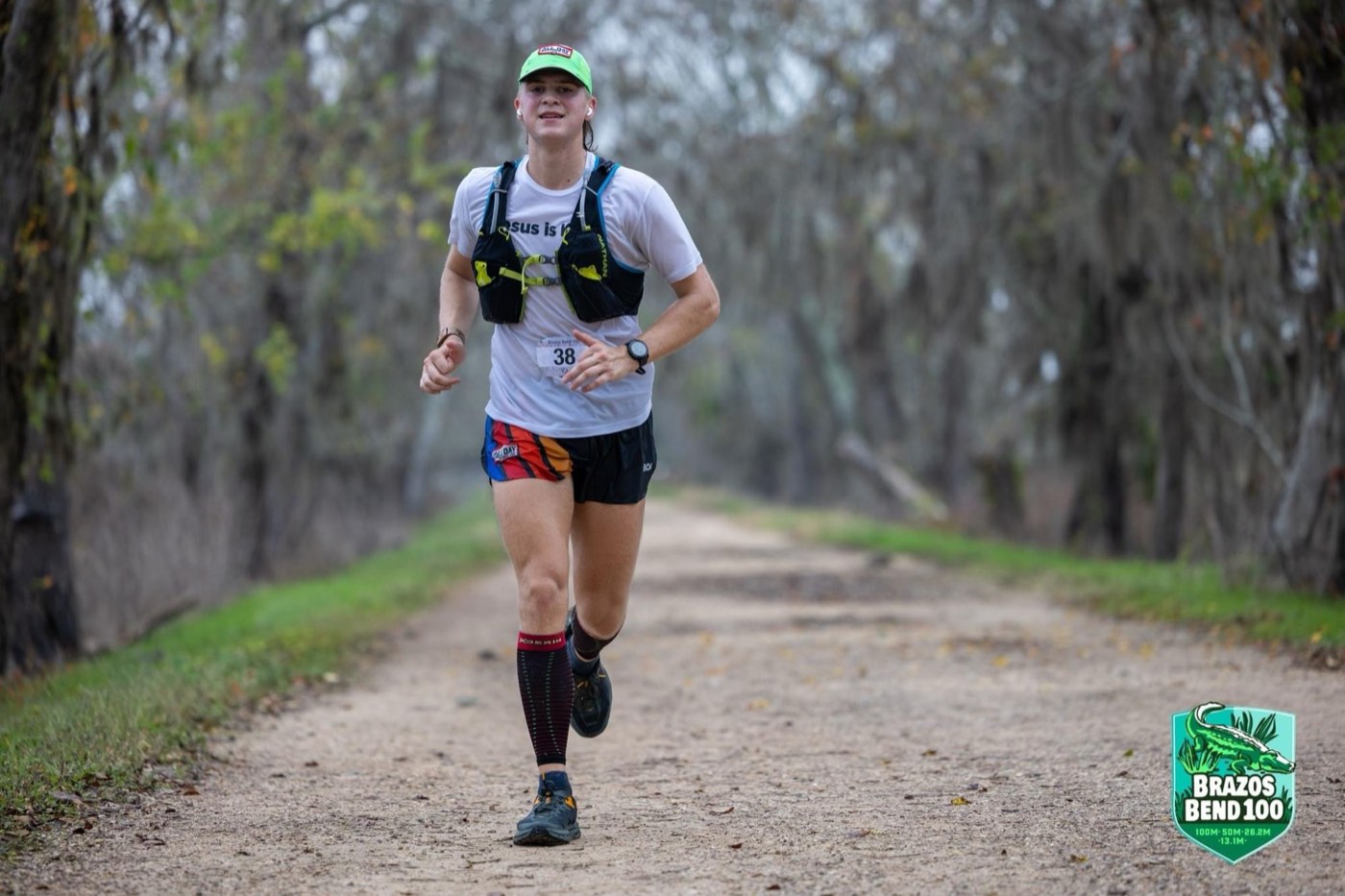
I ran Brazos Bend in 2022. It's six loops through Brazos Bend State Park, and it's the flattest race on this list by a mile, with under 100 feet of total climbing and a 32-hour cutoff. Mild December weather and sea-level altitude make it about as forgiving as a 100 gets.
Yes, there are alligators. You'll see them sunning themselves right next to the trail. But they're really nothing to worry about. They totally leave you alone, and they make for a great story at the finish.
4. Hennepin Hundred: Sterling, Illinois
- Date: October
- Temps: 65°F high / 45°F low
- Altitude: 600–700 ft
- Elevation gain: 1,100 ft
- Airport: ORD, 2 hours away
The Hennepin Hundred is point-to-point along the historic Hennepin Canal towpath, from Sterling to Colona, Illinois. The towpath is flat and non-technical, and fall in northern Illinois brings cool, comfortable temperatures. Point-to-point means you never repeat a mile, which some runners love, but plan your crew and drop bags carefully since you won't loop back.
5. Long Haul 100: Lakeland, Florida
- Date: January
- Temps: 69°F high / 51°F low
- Altitude: 100 ft
- Elevation gain: 1,200 ft
- Airport: TPA, 1 hour away
Long Haul is six loops of about 16.8 miles in Colt Creek State Park, with your drop bag available every loop and a 32-hour cutoff. It's the warmest race on this list, so it's a great pick if you hate the cold, and a January race gives you the whole fall to train.
I'll build your plan backward from race day, around your calendar, and handle the fueling, gear and blood work. You show up and run.
See if you qualifyCommon questions
What is the easiest 100-mile race for a first-timer?
Look for low elevation gain, mild temperatures, a generous cutoff and non-technical terrain. Of my picks, Brazos Bend is the flattest, with under 100 feet of gain, December weather and a 32-hour cutoff.
What should I look for in my first 100-mile race?
Start with what excites you, then compare elevation gain, temperature, cutoff time, altitude and terrain. Less climbing, cool weather, a 30- to 32-hour cutoff, low altitude and smooth trail all improve your odds.
What's a good cutoff time for a first 100?
More is better. Most beginner-friendly 100s allow 30 to 32 hours. Rocky Raccoon, Brazos Bend and Long Haul give you 32; Tunnel Hill and the Hennepin Hundred give you 30.
Are loop courses good for a first 100?
Yes. Loops bring you back to your drop bag and crew over and over, which makes fueling, gear changes and fixing problems much easier.
Next up: how to train for your first 100 while working full time and the gear you'll need on race day.