To run your first 100-miler: practice your fueling on long runs (start with 200–300 calories and 16–32 oz of water per hour, with 600–800 mg of sodium per liter of fluid), prevent chafing before it starts, use caffeine from about hour 12 instead of only at the end, keep aid station stops to about 5 minutes, and have fun. The more you enjoy it, the faster it goes.
Some links are affiliate links. I only recommend gear I actually use.
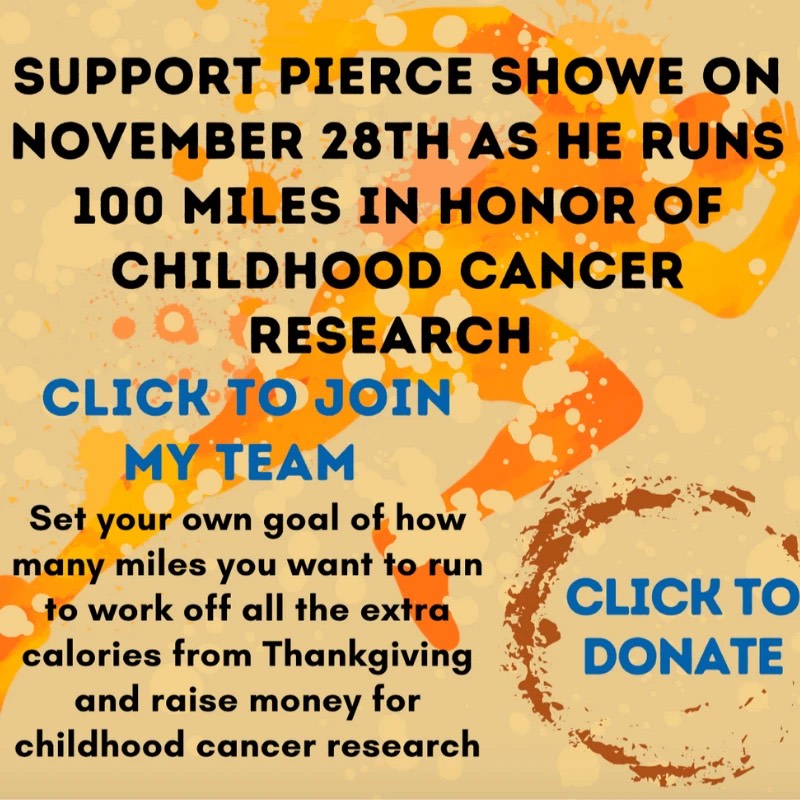
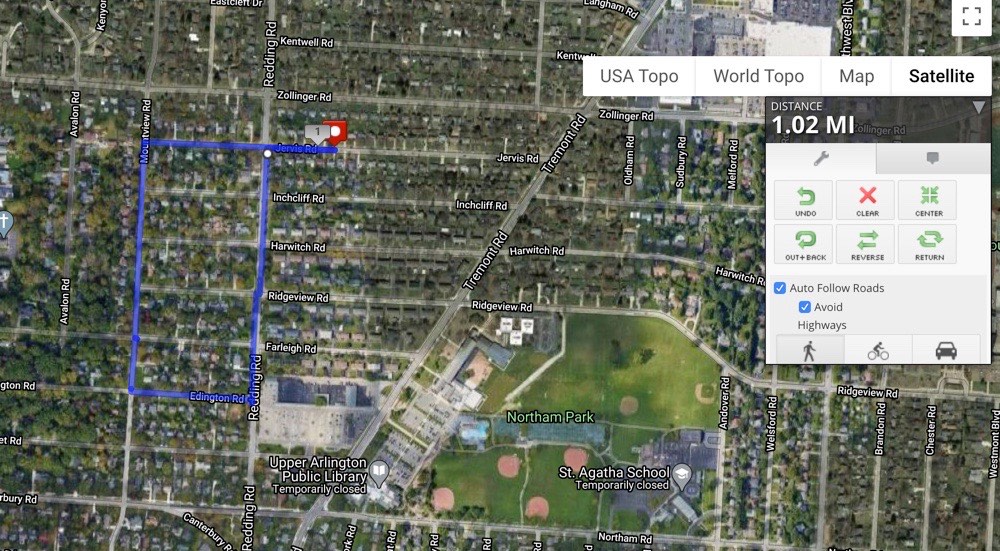
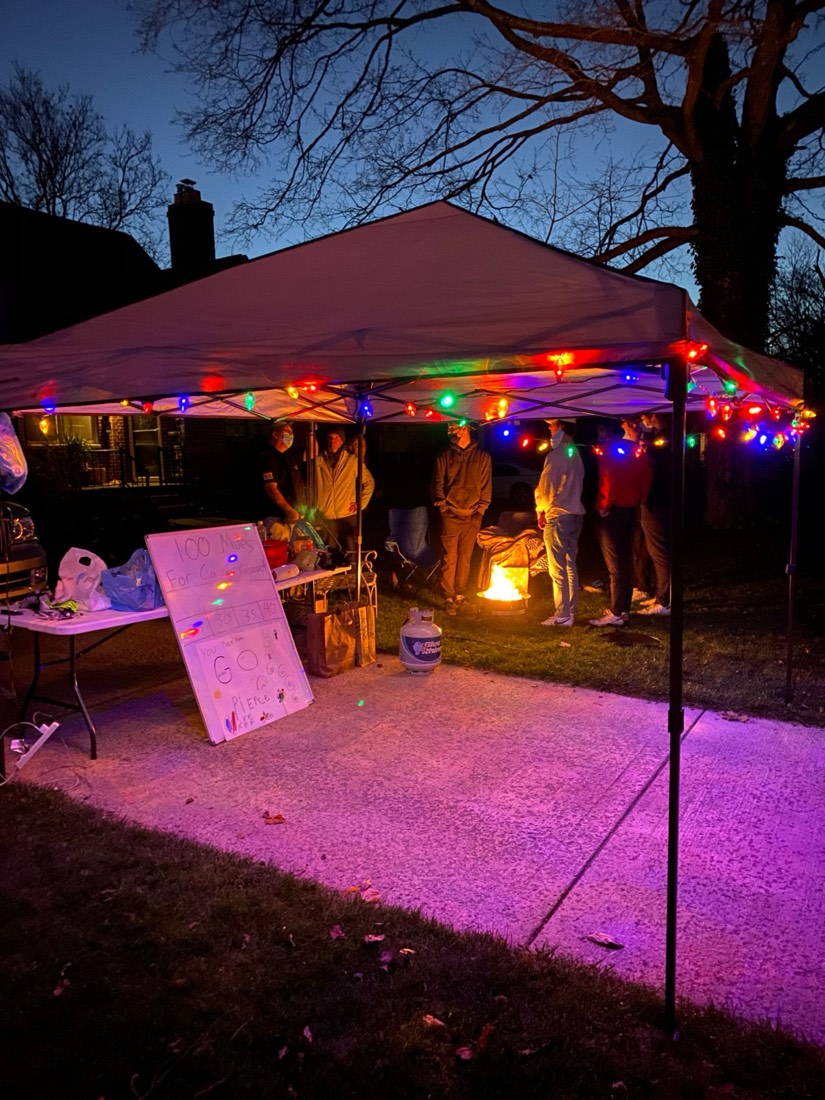
I ran my first 100 miles on November 28, 2020, the Saturday after Thanksgiving, to raise money for childhood cancer research. I didn't have a coach. I had absolutely no clue what I was doing. So I mapped out a loop around my neighborhood, 1.02 miles to be exact, and decided I was just going to run it 100 times.
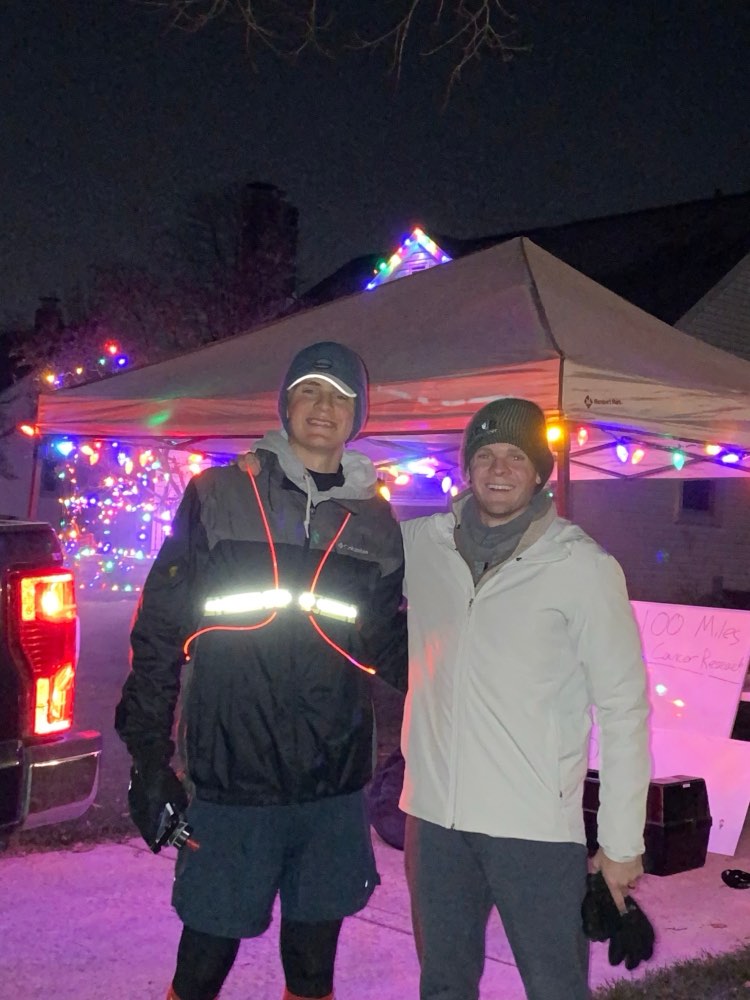
I finished. But there are so many things I did wrong that I wish I'd known before that day. Since then I've run seven 100-milers, including Leadville twice, plus three 200-milers. Here's what I'd tell myself before that first one.
I wish I'd practiced my fueling on long runs
For your first 100, you don't need to be doing tons of 30-plus-mile runs. I do recommend fitting a 50K and/or a 50-miler somewhere in your training block. But the real key is what you do on your regular long runs.
On every long run of 4 to 5 hours, practice eating and drinking exactly the way you plan to on race day. Here's where I'd start:
| Per hour | Starting point |
|---|---|
| Calories | 200–300 |
| Water | 16–32 oz |
| Sodium | 600–800 mg per liter of fluid |
If you finish runs with white salt streaks on your hat or shirt, you're probably a salty sweater and should aim for the top of that sodium range. A sweat test is the best way to find your exact number.
Practice this before the race so you're not trying to figure it out on race day. Your gut is trained just like your legs. Here's how to build your training around a full-time job, and the gels and electrolytes I recommend.
I wish I'd known more about chafing
Chafing can seriously take you out of a race, and over 100 miles, small rubs turn into big problems. Before you start, put Salty Britches on your armpits, feet and butt. And cover your nipples with a Band-Aid or a strip of athletic tape. You'll thank me at mile 60.
I wish I'd used caffeine better
At my first 100, I only used caffeine in the last 3 to 4 hours. Now I start much earlier. Here's my approach:
- Start around hour 12, with 50–100 mg.
- Then take 100–200 mg every 3–4 hours, depending on your tolerance.
- Test it on long training runs first, so you know how your body handles it.
Caffeinated gels make this easy to dose. Everyone's tolerance is different, so start low and check with your doctor if you have any concerns.
I wish I'd been more intentional at aid stations
I didn't time my stops at my first 100, and sometimes I hung around way too long. A few extra minutes at every stop adds up fast over 100 miles.
Now I keep aid station stops to about 5 minutes, and 10 minutes max if I'm changing socks and shoes. Know what you need before you get there, grab it, and get moving.
I wish I'd had more fun with it
After running seven 100-mile races, I've found that the more fun you're having, and the more your mind is off the race, the faster it goes.
When I feel like I need to be super focused and take it too seriously, it seems to go by slower. When I'm enjoying being out there, talking with my pacers and laughing, it goes by so much faster.
I wish I'd known music isn't always your friend
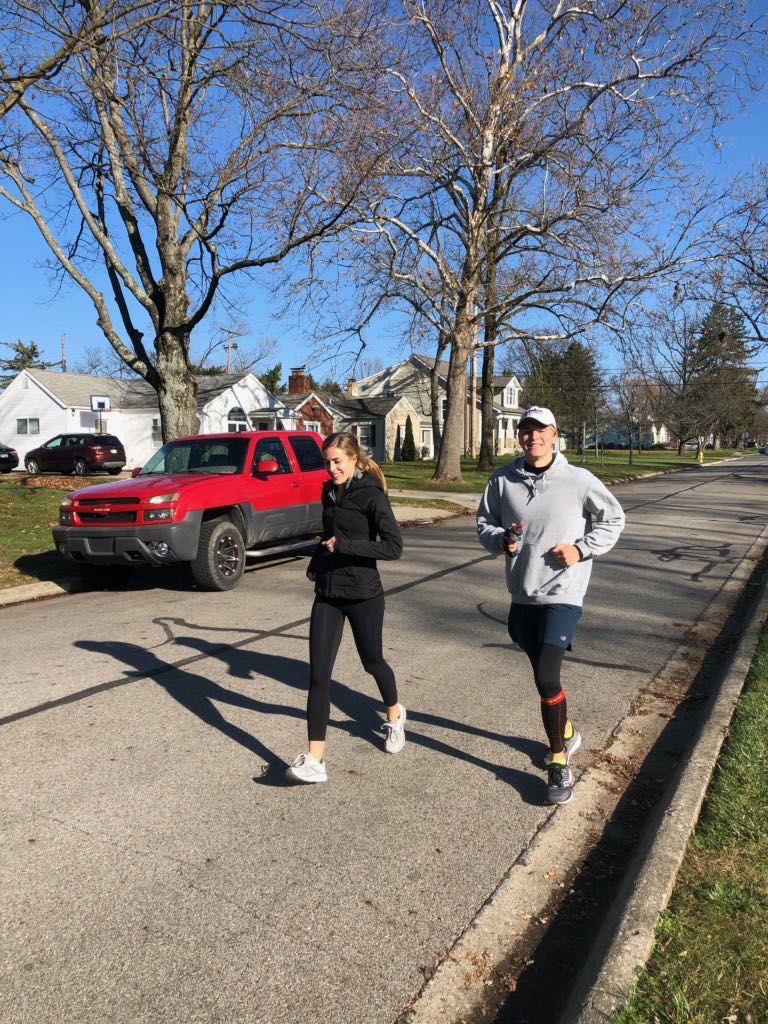
Music, podcasts and audiobooks can take up a lot of mental energy over a full day and night. At the Habanero 100, I didn't listen to anything. No music, no podcasts, no audiobooks. Just running in silence and talking with my crew. I'm totally fine with that now, and I'd encourage you to try a long run without headphones to see how it feels.
Your first-100 checklist
- Do a 50K and/or 50-miler in your training block.
- Practice 200–300 calories and 16–32 oz of water per hour, with 600–800 mg of sodium per liter of fluid, on long runs.
- Salty Britches on armpits, feet and butt, and tape your nipples.
- Start caffeine around hour 12, and test it in training.
- Time your aid station stops: about 5 minutes, 10 max.
- Have fun, and don't be afraid of running without headphones.
I'll build your plan around your calendar and dial in your fueling, sodium and gear before race day, so you're not figuring it out at mile 60. You show up and run.
See if you qualifyCommon questions
How many calories should I eat per hour in a 100-mile race?
Start with 200–300 calories per hour, plus 16–32 oz of water with 600–800 mg of sodium per liter. Practice it on your long runs first.
How much sodium do I need?
Aim for 600–800 mg of sodium per liter of fluid you drink. If you're a salty sweater, aim for the top of that range. A sweat test will tell you your exact number.
When should I take caffeine in a 100-miler?
I start around hour 12 with 50–100 mg, then take 100–200 mg every 3–4 hours depending on tolerance. Test it in training first.
How long should I spend at aid stations?
About 5 minutes, and 10 minutes max if you're changing socks and shoes.
How do I prevent chafing?
Salty Britches on your armpits, feet and butt before the start, and a Band-Aid or athletic tape on your nipples.
Want the whole picture, from picking a race to recovery? Read the complete guide to running your first 100-mile race.
Haven't picked your race yet? Here's how to find an ultramarathon near you and the best 100-mile races for your first buckle.