Ultrarunning prepared me for the first weeks of fatherhood in five ways. It trained me to do things I don't want to do, to be patient in the process, to accept that I can't do it alone, to solve problems as they come and to remember that I don't know everything.
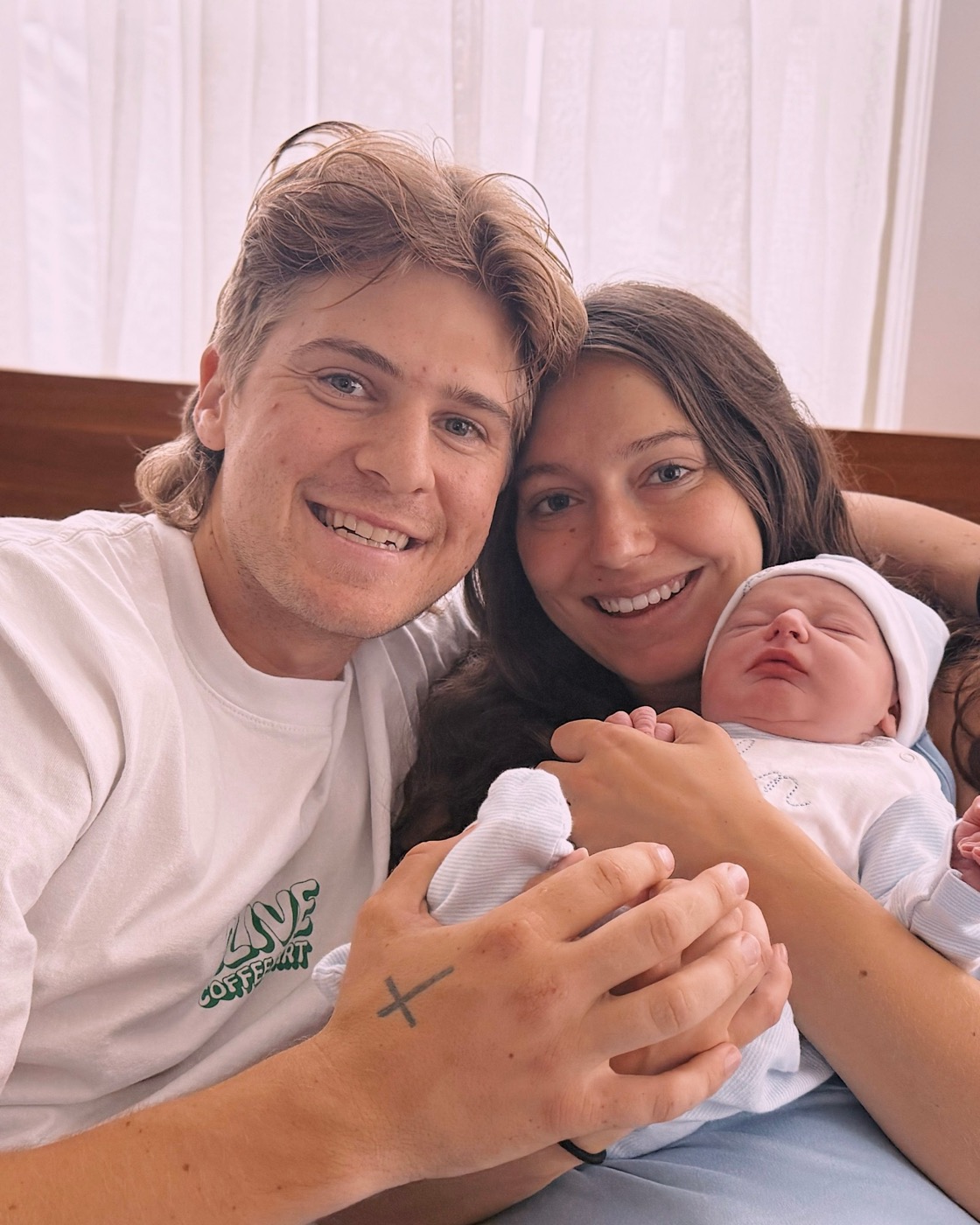
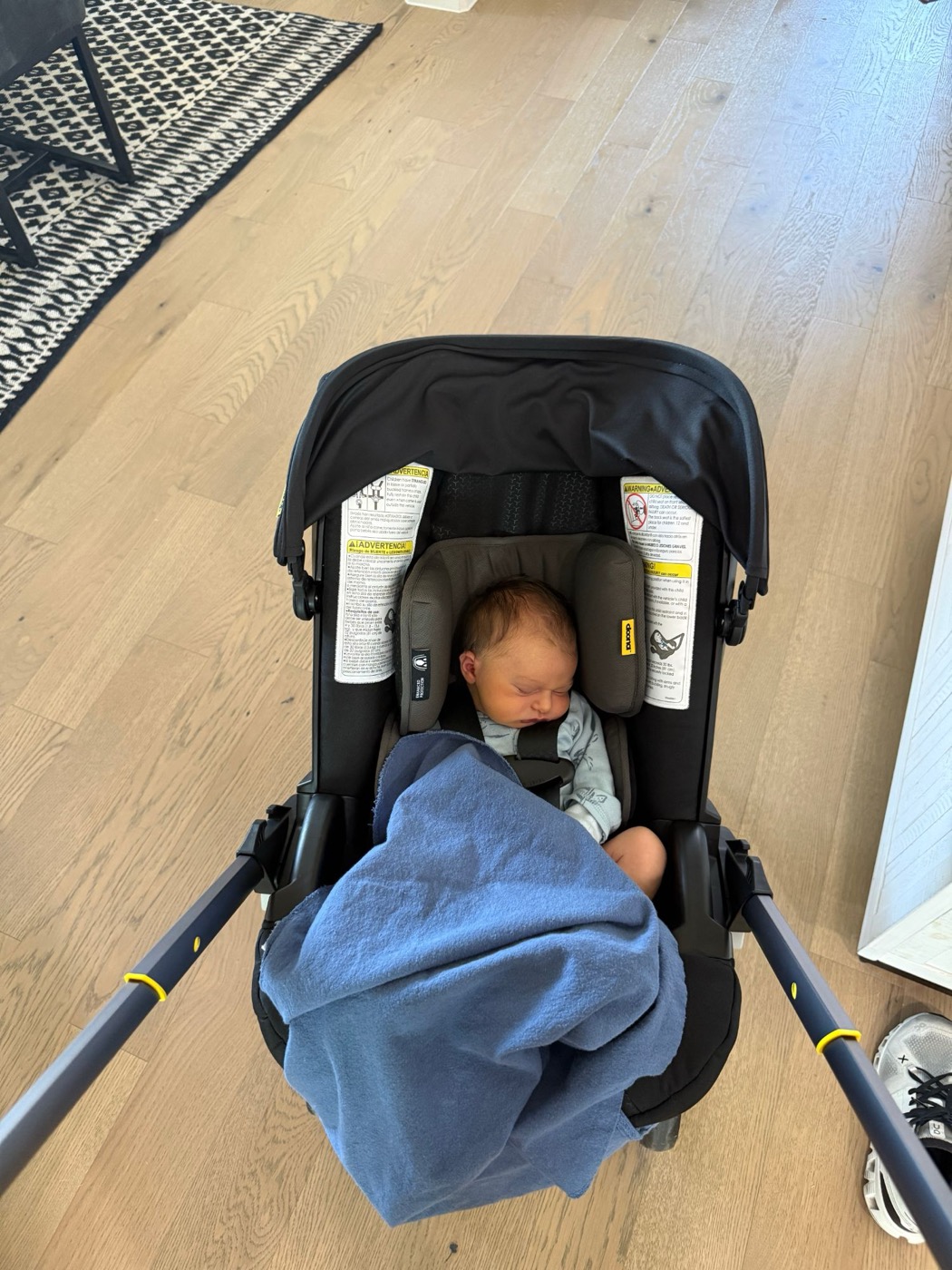
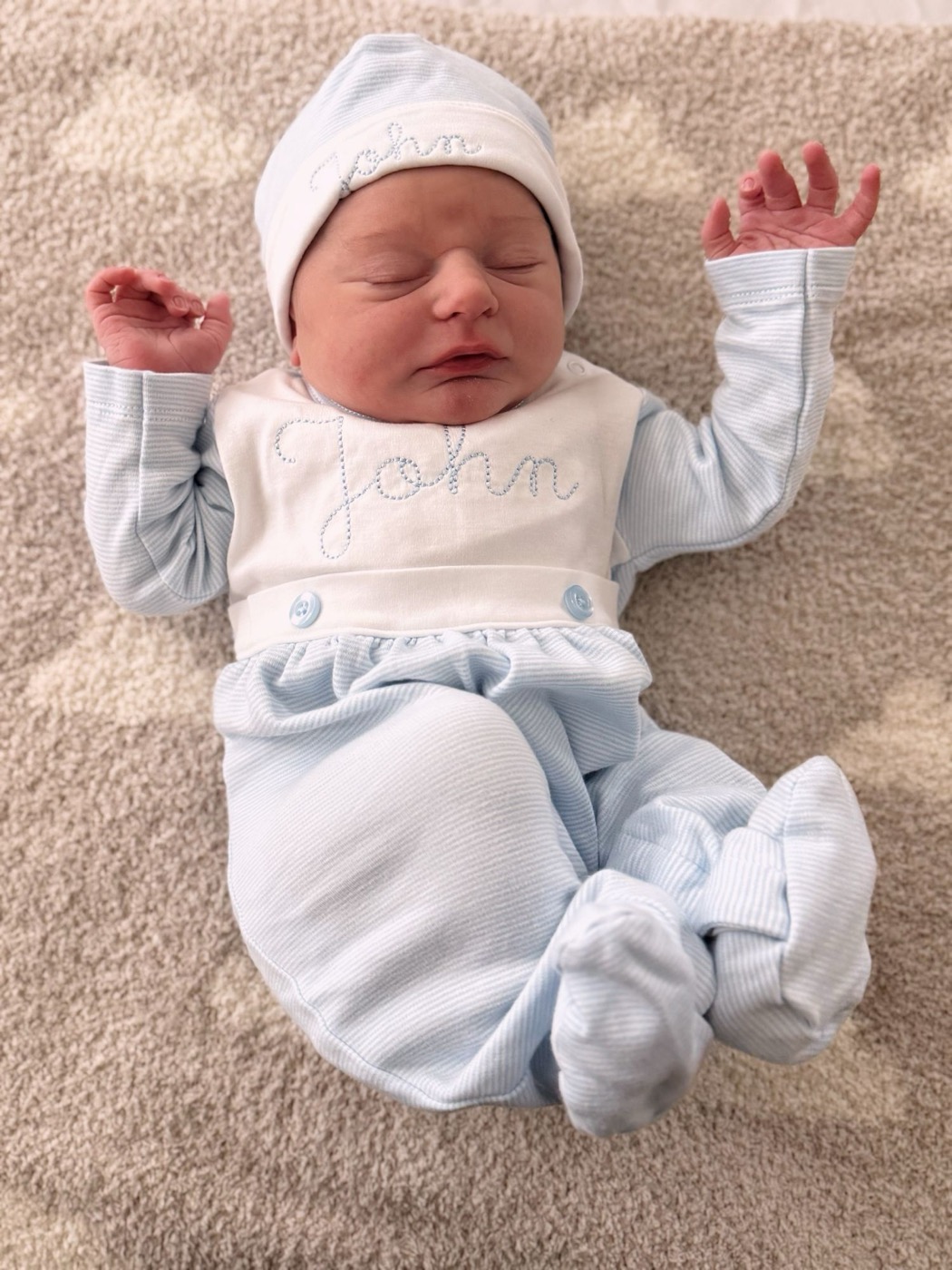
My wife Ashley and I welcomed our son, John, on October 4, 2026. He's just over two weeks old.
I've finished seven 100-milers and three 200-milers. I didn't expect those races to have so much to do with being a dad, but in these first weeks I keep coming back to them. Here are five ways ultrarunning prepared me for fatherhood.
1. It trained me to do things I don't want to do
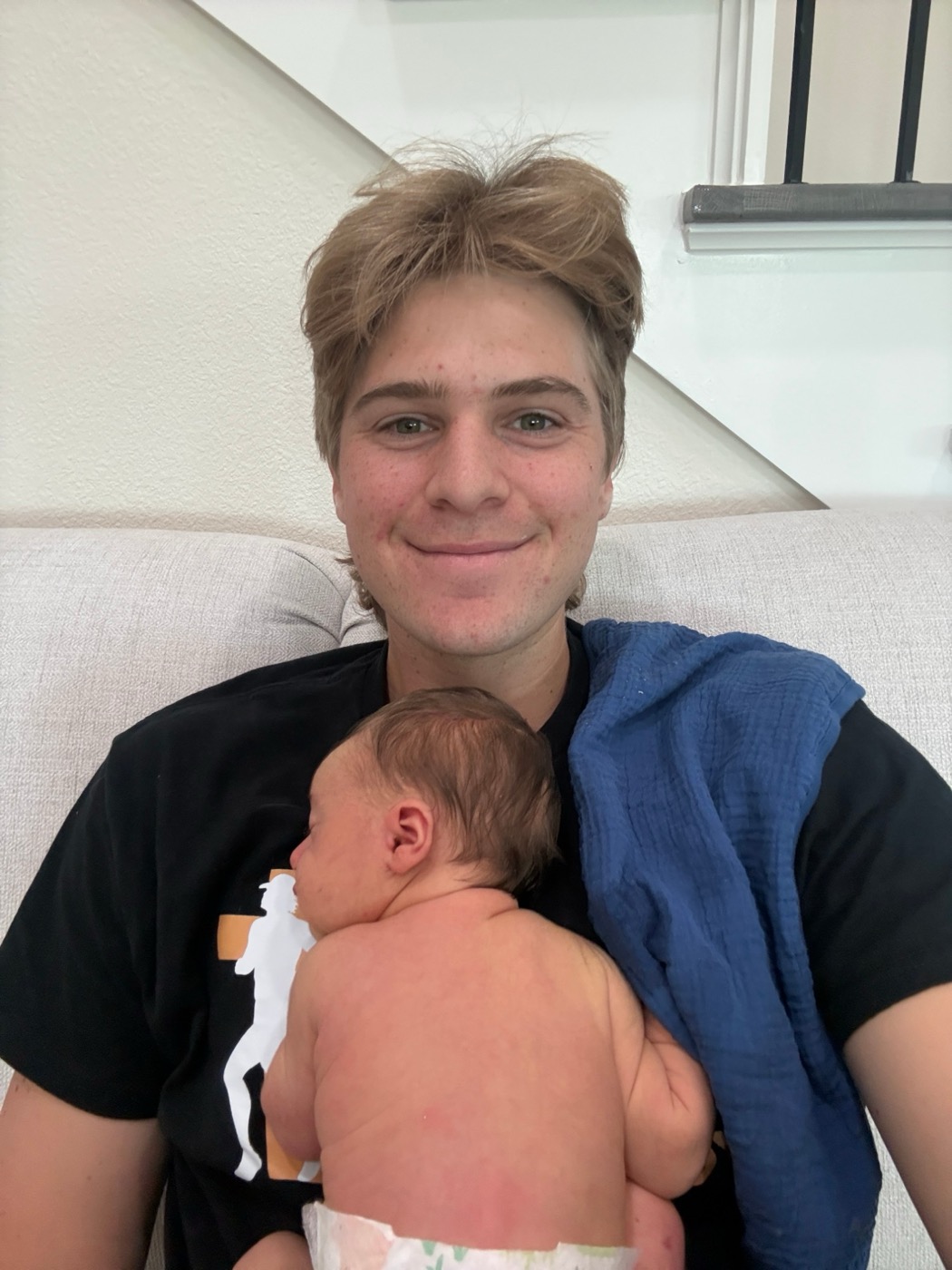
So many times I have a run scheduled that I don't want to do, and I have to get myself to do it. There are times I stare at my shoes or procrastinate on a run because it's the last thing I want to do.
I'll be honest: I don't think I've wanted to get up in the middle of the night to change a diaper once. But running taught me not to listen to my feelings. I get up and do it anyway.
2. It taught me to be patient in the process
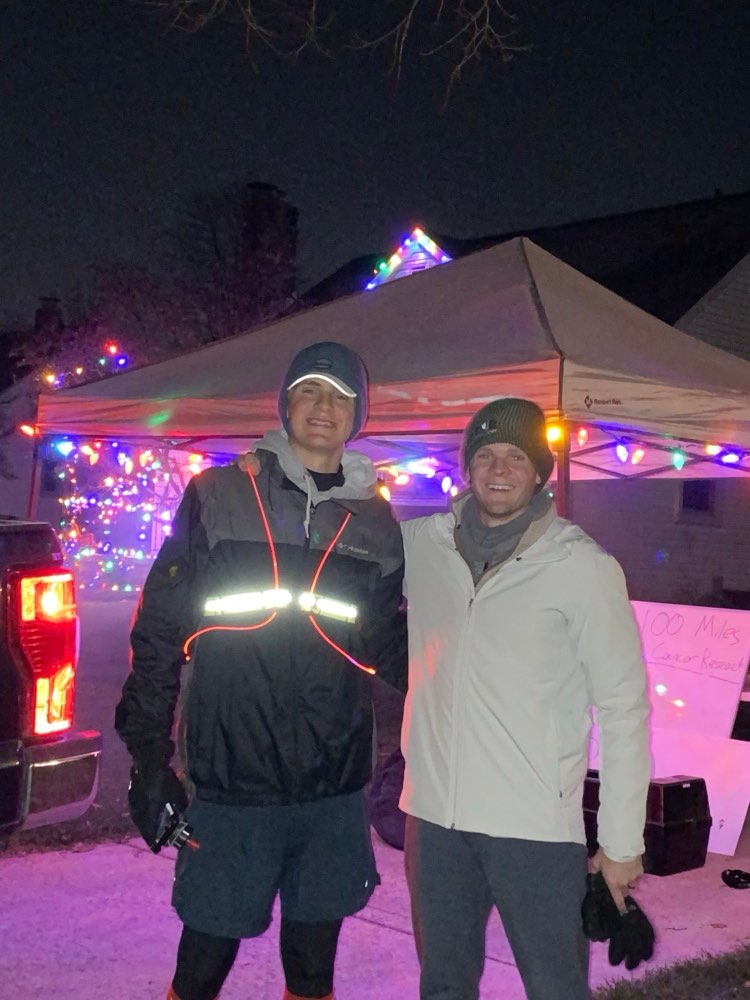
During my first 100, a solo run on a loop around my neighborhood, around mile 90, it felt like my feet were broken, like I had stress fractures. The last thing I wanted to do was keep moving forward.
But in a 100-mile race, you can't make mile 80 go by faster just by wanting it to. You have to surrender to the process and focus on getting to the next aid station.
With John, it's been the same thing. Just get to the next feed.
3. It taught me I can't do it alone
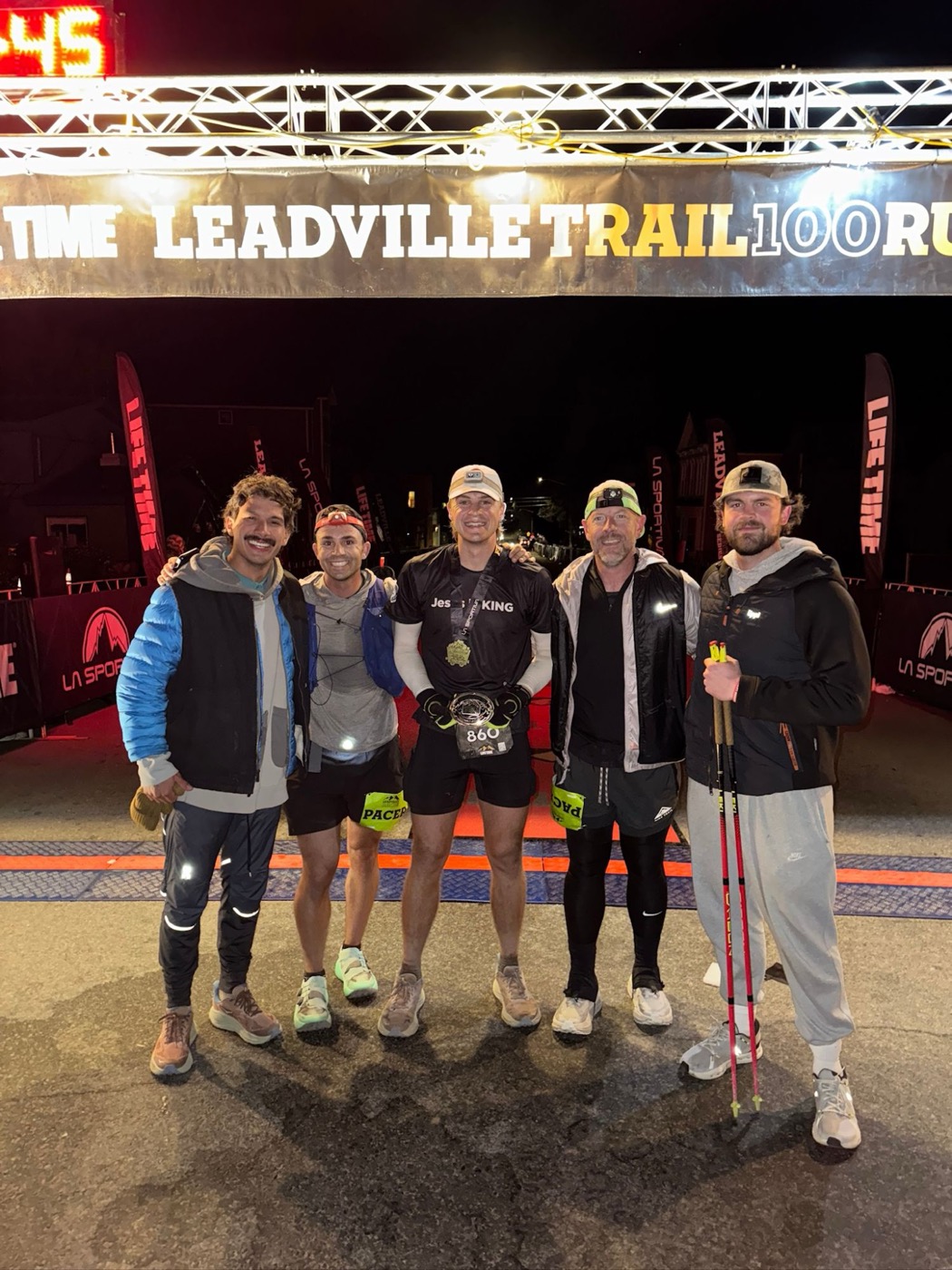
To run 100 miles, you need a crew. My crews have been family, friends and people I've met in the ultra world, and they do everything. They get me food to eat and water to drink, handle my gear, time me and help keep me in the right mental space.
During the Tahoe 200, I had horrible diarrhea. I was going to the bathroom about every 10 minutes. It was slowing me down and causing me to chafe really badly. My crew helped me problem solve it and got me to take Imodium to stop it. Then they talked me into continuing instead of quitting.
Taking care of a kid is the same. I'm so glad to have my mom and my in-laws helping out. It would be 10 times harder without their help.
4. It made me a better problem solver
In a 100-miler, it's usually not if something is going to go wrong. It's what is going to go wrong. You have to embrace the obstacles as they come and figure out a way through.
I've learned you have to do the same thing as a parent. There's no instruction manual. There are so many things you don't know that you just have to learn and figure out as they come.
5. It taught me I don't know everything
Learning is a constant process. I have to humble myself to keep being a learner and realize I will never "have it all figured out." That's true in ultrarunning, and it's already true as a dad.
Am I still running?
Yes. My mileage these first two weeks has been a little lighter as I figure out when to find time to run and make sure Ashley has help.
If you're trying to fit big miles around a busy life, here's how to train for your first 100 while working full time, plus what I wish I'd known before my first 100 and the complete guide to your first 100.
To all the parents who follow me: what's the best piece of advice you'd give someone as they navigate raising their first kid? Send me a DM on Instagram.
DM me @pierceshoweCommon questions
How does ultrarunning prepare you to be a parent?
For me it was five things: doing things I don't want to do, being patient in the process, knowing I can't do it alone, solving problems as they come and staying a learner.
Can you keep running as a new dad?
Yes. I'm still running. My mileage in the first two weeks was a little lighter as I figured out when to find time to run and made sure my wife had help.
How do you get through the hard moments of a 100-mile race?
You can't make the race go by faster by wanting it to. Surrender to the process and focus on getting to the next aid station. With a newborn, it's the same: just get to the next feed.