
Four things helped me train my mind for 100- and 200-mile races: 1. understand that it's mental and physical, 2. build your mentality with every small decision, not on race day, 3. focus on what's going right when things go wrong, and 4. break the race into segments and just get to the next aid station.
I wanted to write this because I was not born this way. I never thought I would be running 100-mile races.
I ran my first 100 miles on November 28, 2020. I didn't have a coach. I had absolutely no clue what I was doing. So I mapped out a 1-mile loop around my neighborhood and decided I was just going to run it 100 times.

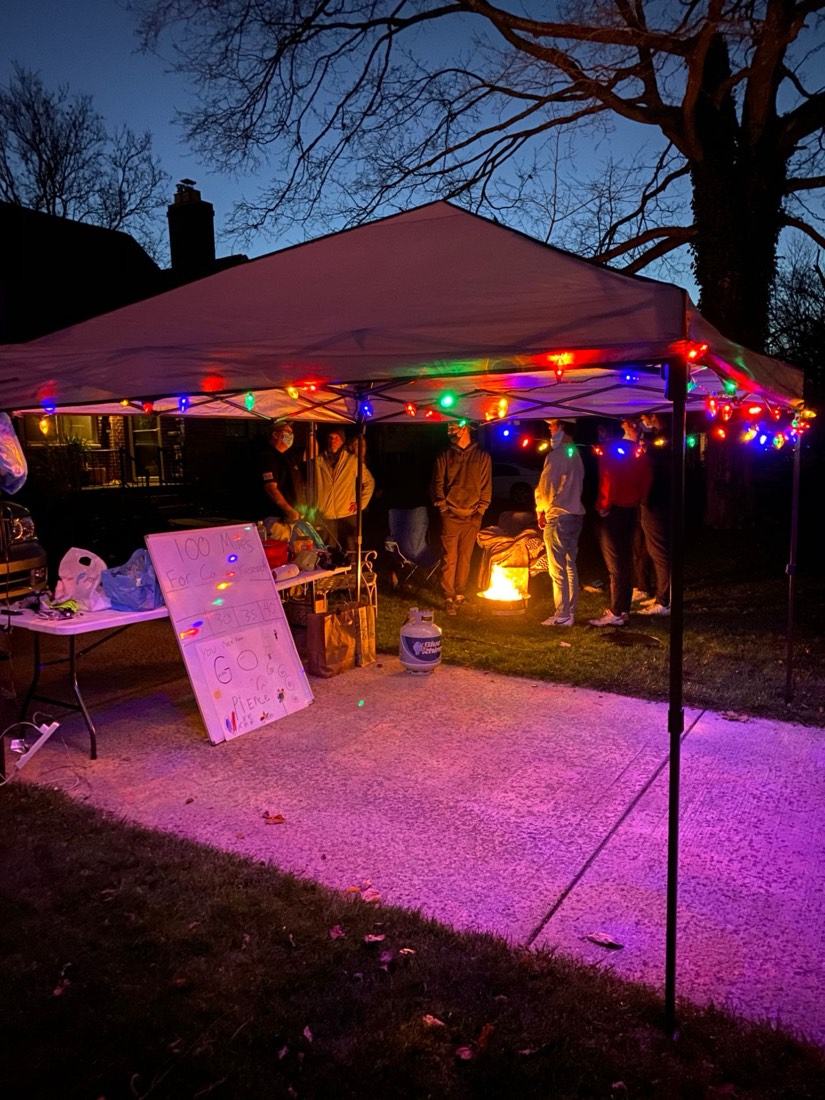
But I learned along the way that you can train yourself to do things you never thought were possible. So let me give you 4 things that helped me train my mind.
1. Understand that it's mental AND physical
Running 100 miles isn't just all mental like some people think. Yes, you have to push through the pain cave, but the more fit you are going in, the less you will have to dig deep mentally.
Also, if you're not properly trained, your body will fail you.
People overemphasize the mental discipline it takes to run these long races. In reality, as you focus on the physical and just keep going a little further and further, the mental takes care of itself.
I saw it during my Guinness World Record, a half marathon on a treadmill every day for 153 days. After about two to three weeks, my body could handle it pretty regularly. I was still tired and worn out throughout the days, but it wasn't that much harder. I just got used to it.
Here's how to train for your first 100 while working full time.
2. My mentality isn't built on race day, it's with every small decision I make

Every day, am I choosing comfort or am I choosing the difficult route?
For me, that's cold showers, waking up early, or simply taking out the trash when I don't want to.
Those small decisions stack up over time and can be the difference between quitting or not.
During the treadmill record, the hardest part wasn't even the physical side. It was the mental side of doing it every day for five months. Three different times, I got all the way done with my run and realized my camera was out, so I had to redo the whole run from the start.
3. What do I focus on when things go wrong?

Negative thoughts are like a cancer during a race. It is a very slippery slope.
The second I go negative, I start to get more negative, and it can be very difficult.
I barely got through the Tahoe 200, my first 200-mile race in July 2023, because I came in a bit cocky. I forgot to lube up before the race and had bad diarrhea and chafing, which put me in a huge mental hole. I almost quit three times, but a member of my crew saved me.
Instead of going negative, I focus on what is going right, and I'll even joke around. You can't be negative and laughing at the same time.
In October 2024, I paced an athlete I coached at the Moab 240. We joked the whole 48-mile segment, saying, "Hey, I discovered the secret to running ultramarathons... I JUST DON'T GET TIRED."
When I feel like I need to be super focused and take it too seriously, it seems to go by slower. When I'm enjoying being out there, talking with my pacers and laughing, it goes by so much faster.
4. Segmentation

I can't focus on the entire race, or I won't be able to do it.
I learned to just focus on getting to the next aid station, and it was an absolute game changer for me.
In a 100-mile race, you can't make mile 80 go by faster just by wanting it to. You have to surrender to the process and focus on getting to the next aid station.
After Tahoe, I wasn't sure if I was going to finish the Triple Crown, because I had the Bigfoot 200 just 17 days later. I talked to a mentor of mine, and he reminded me of the process of segmentation, which is breaking up a big race into smaller segments.
I was able to run the Bigfoot 200 almost 7 hours faster than Tahoe, and it was arguably a harder race, only 17 days after the first. It was a big turning point for me in the power of the mind.
And that's it. Pick one of these things, implement it, and go RUN YOUR RACE!
At a glance
| # | What helped me | What to do |
|---|---|---|
| 1 | It's mental AND physical | Get fit. The fitter you are, the less you have to dig deep. |
| 2 | Small decisions | Choose the difficult route over comfort every day. |
| 3 | Focus on what's going right | Don't go negative. Joke around and laugh. |
| 4 | Segmentation | Just get to the next aid station. |
I coach people to their first marathon and their first 100. I'll build the plan around your life and be in your corner all the way to the finish line.
Apply for coachingKeep reading: the hardest challenges I've done, what I learned running my first 100 and how ultrarunning prepared me for fatherhood.
Common questions
Is running an ultramarathon mostly mental?
No. It's mental and physical. You still have to push through the pain cave, but the more fit you are going in, the less you have to dig deep mentally. If you're not properly trained, your body will fail you.
How do you train your mind for long-distance running?
With small daily decisions. Every day, choose the difficult route over comfort. Those decisions stack up over time and can be the difference between quitting or not.
What do you think about during a 100-mile race?
Just getting to the next aid station. If I focus on the entire race, I won't be able to do it.
How do you keep going when you want to quit?
Focus on what's going right and joke around. You can't be negative and laughing at the same time.